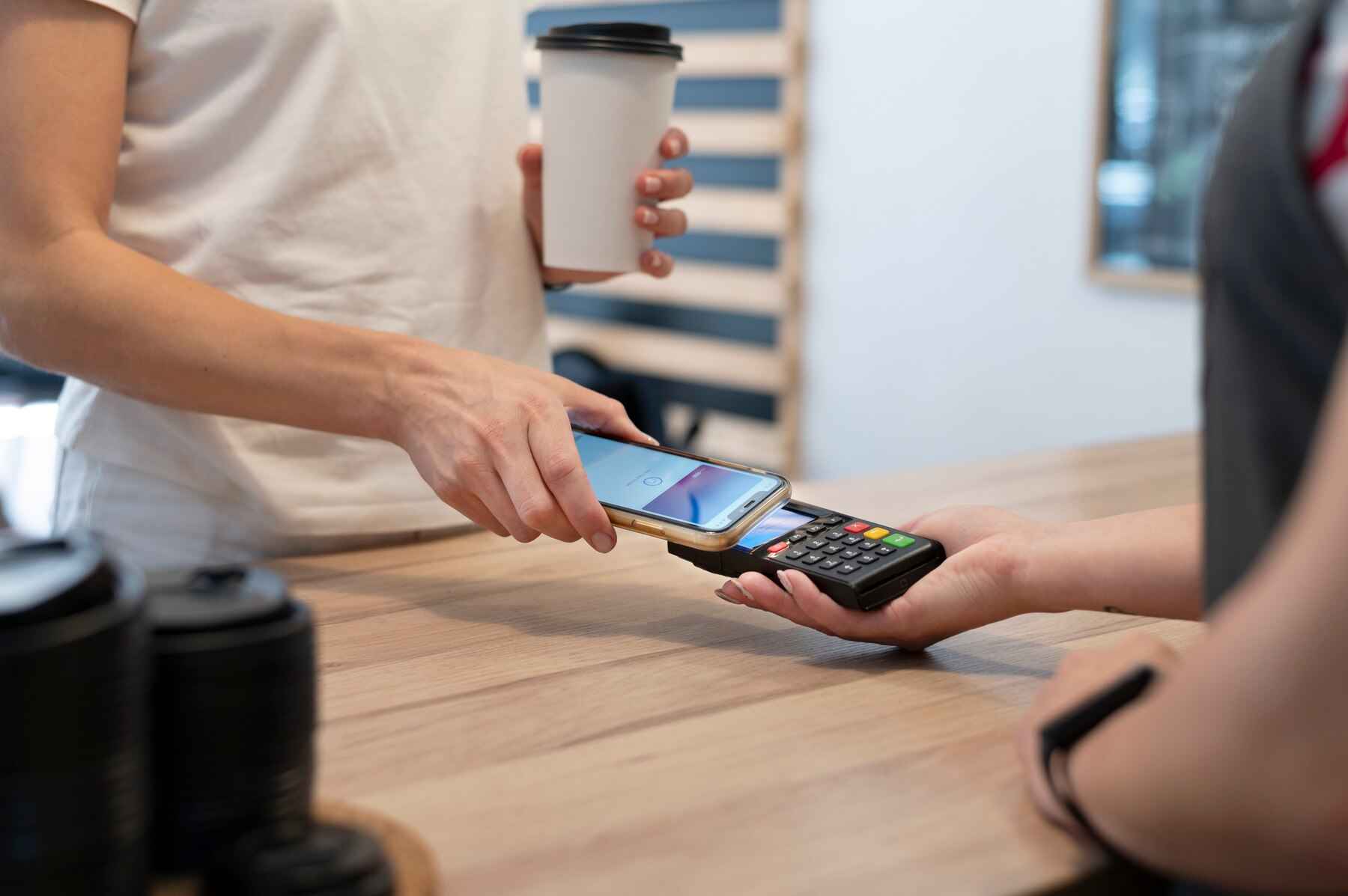
In today’s digital era, financial transactions continue to evolve with various payment methods.
Along with this development, modern payment methods have also become increasingly diverse.
Speaking of transactions, what exactly is “payment”? Payment refers to the process of completing a transaction, either through cash or non-cash methods.
The advancement of technology has made payment systems more sophisticated, allowing transactions to be faster and more practical. For business owners, understanding payment systems is extremely important.
Without a proper payment system, transactions can become complicated and disrupt operational flow. That’s why you need to understand the different types of payments and how these systems work. Let’s discover them!
What Is Payment?
Payment is the process of completing a transaction, either in cash or non-cash.
With a proper payment system in place, the transaction process becomes more organized and reduces errors.
Today, the growth of digital payment systems makes it easier to transact using cards, QRIS, e-wallets, or virtual accounts.
For business owners, understanding payment systems is crucial. Without the right system, transactions may become slow, complicated, and difficult to manage financially.
The Importance of an Integrated Payment System
An integrated payment system allows data from multiple channels, both offline and online stores, to be automatically recorded in one system.
There is no need for manual input, making operations far more efficient.
Some of the main benefits of an integrated payment system include:
- Reducing the risk of incorrect inputs and duplicate data
- Speeding up transactions and cashier closing
- Simplifying daily reporting and reconciliation
- Providing a better transaction experience for customers
In short, integrated payments help businesses operate faster, more securely, and with cleaner financial records.
Read Also: What does EDC Machine stand for? Here are the answers and functions!
Benefits of an Integrated Payment System for Businesses
Integrated payment systems offer many conveniences for business operations.
Here are several benefits of using an integrated payment system for your business:
1. Transaction Efficiency & Financial Reporting
With integrated payments, every transaction, from QRIS, debit cards, e-wallets, to cash payments, is automatically recorded in the system.
Invoices are closed in real time, financial reports are updated instantly, and the risk of human error is significantly reduced.
Cashier closing, which usually takes 15–30 minutes, can now be completed in just 5–10 minutes because all amounts are automatically synchronized.
Furthermore, D+1 reconciliation becomes much easier since balance data from the payment gateway can be matched instantly without manual file imports.
2. Better Payment Data Security
Modern digital payment systems are equipped with advanced security technologies such as:
- Tokenization & encryption to protect sensitive data
- 3-D Secure for credit card transactions
- OTP for e-wallets and virtual accounts
- Audit trails for refunds, voids, or cancellations
Cashiers also no longer need to handle customer data directly, minimizing the risk of information leakage.
3. Improved Customer Experience
Payment integration enables faster and more convenient checkout processes.
A single QRIS code can receive payments from various bank apps and e-wallets, reducing long cashier lines.
Customers also automatically receive digital receipts via email or WhatsApp, making the process feel transparent and secure. This helps increase customer trust and encourages repeat purchases.
4. Reduced Risk of Counterfeit Money
As non-cash transactions increase, the use of physical cash decreases. This helps reduce the circulation of counterfeit money and improves cash security.
For the remaining cash transactions, the system still records income in detail, allowing cash discrepancies to be detected quickly.
5. More Practical Operations Without Multiple Devices
All payment methods, cash, cards, QRIS, and e-wallets, can be managed from a single dashboard.
Staff no longer need to switch between apps to check sales data or admin fees.
The system also automatically calculates fees for each payment channel, allowing business owners to compare performance and optimize margins.
Types of Payment: Cash and Non-Cash
In practice, payments are divided into two main categories:
1. Cash Payment Systems
Cash payments have been used for centuries and remain popular for small-value transactions.
Their advantages include accessibility and usability in various situations, even without an internet connection.
2. Non-Cash (Cashless) Payment Systems
Cashless payments allow users to transact without physical money. This method is easier, safer, and more practical, using only a smartphone or card.
Here are several types of non-cash payment methods:
a. Debit & Credit Cards
These are the most common non-cash payment methods. Their difference lies in the source of funds:
- Debit: uses the balance in the savings account
- Credit: uses borrowed funds that must be repaid to the bank
b. Virtual Account (VA)
A VA is a unique virtual bank account number used for payment transactions.
Customers simply pay to the VA number, and the system automatically recognizes the transaction, no manual confirmation needed.
c. E-Wallets
Digital wallets like GoPay, OVO, LinkAja, and ShopeePay are very popular for daily transactions.
They are practical to use with a smartphone and are secured with PINs or passwords.
d. QRIS (Quick Response Code Indonesian Standard)
QRIS allows a single QR code to receive payments from multiple e-wallets and banking apps.
This helps merchants avoid using multiple QR codes for different platforms.
Security in Digital Payment Systems
To ensure transaction safety, digital payment systems are equipped with several layers of protection, such as:
- Encryption
- Two-Factor Authentication (2FA)
- Suspicious activity monitoring.
These measures protect against threats such as:
- Phishing (fraud attempts to steal user data)
- Malware (harmful software)
- Man-in-the-Middle attacks (data theft across networks).
With these security features, digital transactions become safer for both customers and businesses.
Benefits of Payment Systems for Businesses
Aside from integration, modern payment systems bring significant improvements to business operations:
1. Increase Transaction Speed
Digital payment systems make transactions faster and more efficient. Customers don't need to bother bringing cash, just use a card or e-wallet.
2. Provide facilities for customers
With so many payment methods, customers can choose the most convenient one. Of course, this increases customer satisfaction and makes them more loyal to your business.
3. Makes financial management easier
Oh yes, one of the benefits of the digital payment system means you can record transactions more easily.
Financial data is neater and can be analyzed to develop business strategies.
Read Also: These are 10 factors that influence customer satisfaction. Have you implemented them?
FAQ About Payment Systems
1. What is a payment system?
A payment system is a mechanism used to process payment transactions, both cash and non-cash, allowing customers to complete purchases easily and securely.
2. What are the main benefits of using digital payment systems?
Their main benefits include faster transactions, automated financial records, and a more convenient payment experience for customers.
3. What is the difference between cash and cashless payments?
Cash payments use physical money, while cashless payments use digital methods such as debit cards, credit cards, e-wallets, virtual accounts, or QRIS.
4. Are digital payment systems safe?
Yes. Digital payment systems typically include encryption, tokenization, OTP, and 3-D Secure to ensure customer data remains protected.
5. What are the most widely used payment methods today?
E-wallets and QRIS are currently the most popular because they are fast, easy to use, and widely accepted by merchants.
Conclusion
By now, you should have a clear understanding of what payment is and the different types available.
If you run a culinary business, choosing the right payment system is essential.
In addition, using a digital payment system like ESB POS helps you manage payments more easily and efficiently.
Want to optimize your business payment system? Contact the ESB Team now and find the right solution for your business.


