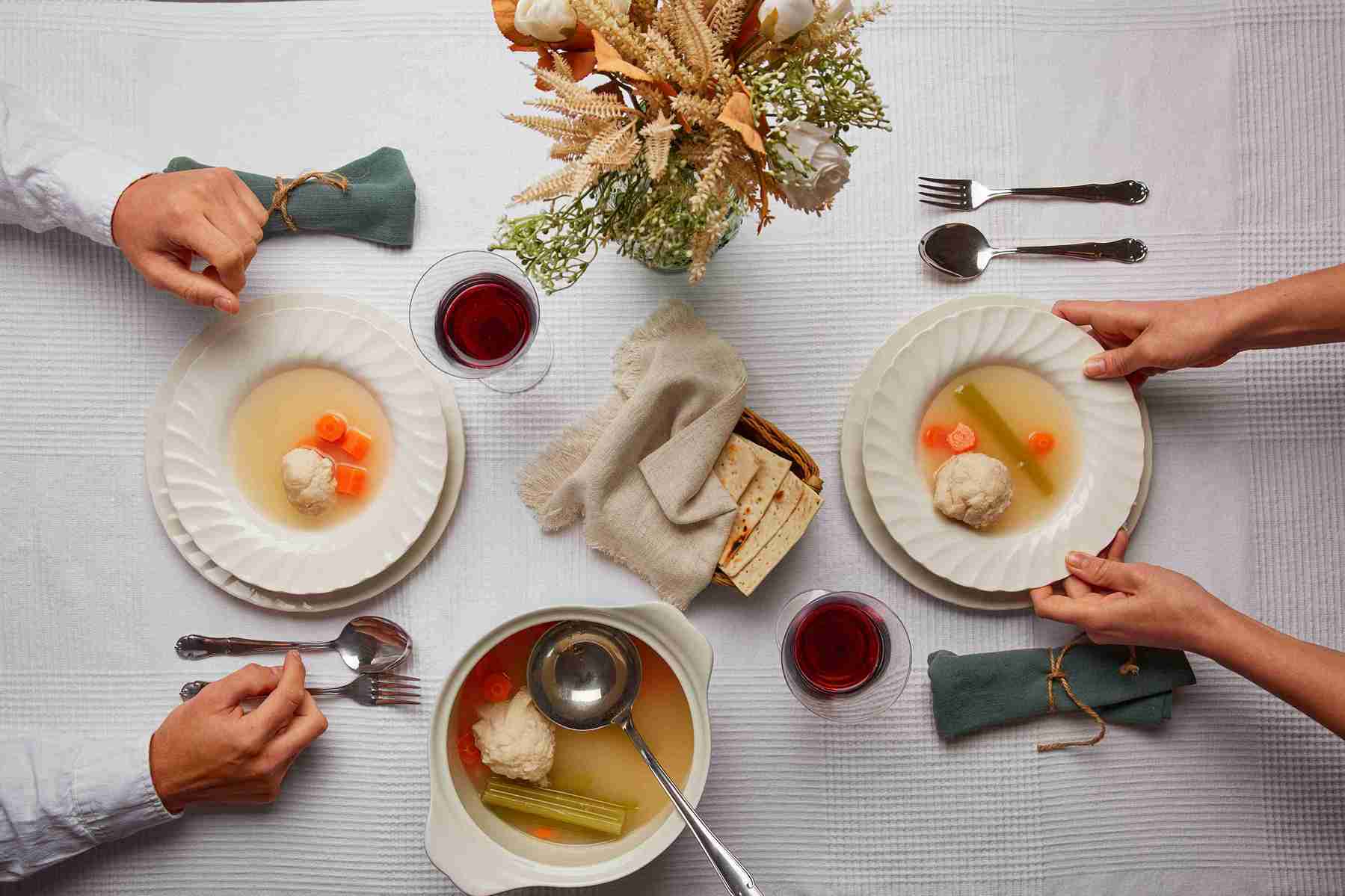
The term table manners may be familiar to you if you are involved in the world of food and beverage service.
However, for those who are not familiar, it is important to understand more about what table manners are and how to apply them.
The meaning of table manners is the rules and ethics when eating together which reflect a professional and civilized attitude.
This skill is not only important at the dinner table, but can also support social and professional relationships.
Especially in the business world, first impressions at a banquet can be a determining factor in the success of a collaboration.
By understanding the importance of table manners, you can build a more confident and professional image.
Especially if your job requires meeting clients, attending formal dinners, or establishing business partnerships, table manners can be a distinct advantage that sets you apart from the crowd.
Understand more about the meaning of table manners, their purpose, and the ethics and rules of table manners in the discussion in this article!
What is Table Manners?
Table manners are eating etiquette that reflects politeness, professionalism, and respect at the dining table.
The definition of table manners is a set of rules and norms that govern a person's behavior during a meal.
These rules include how to sit, use eating utensils, as well as how to interact with other guests and respect the host.
Mastering table manners can help increase self-confidence, build a positive impression, and expand your network in both formal and business situations.
For business people, this skill is an added value because it demonstrates ethics and the ability to adapt in various social situations.
It is important to understand that table manners can vary depending on culture or country.
For example, American table manners are commonly used in global banquets and formal events.
American table manners emphasize the sequential use of forks and knives with certain rules regarding hand position and eating order.
Meanwhile, Japanese table manners take a different approach. They use chopsticks as the primary eating utensil, emphasizing poise, politeness, and respect for the food and others at the table.
Apart from eating utensils, differences are also seen in body posture when sitting and the way people speak while eating.
Understanding these differences is crucial, especially when attending cross-cultural events or conducting international business activities.
By learning table manners from different countries, you can demonstrate respect for other cultures, while strengthening your social and professional relationships.
You can also take a table manners course to learn more about dining etiquette.
Table manners course is a training program designed to teach table manners in a comprehensive and practical way.
In this course, you will learn everything from proper sitting posture, how to use cutlery, to how to interact politely during a meal.
Read also:What Is a Corkage Fee? Learn Its Meaning and Tips for Implementing It in Restaurants
The Purpose of Table Manners

Source: freepik.com
Table manners are not just eating rules, but also a reflection of attitude and professionalism.
Here are some important reasons why table manners need to be understood and applied:
1. Create a comfortable dining atmosphere
By implementing table manners, the dining atmosphere becomes more orderly and enjoyable for everyone present.
2. Show Respect to Hosts and Guests
Dining etiquette reflects respect for others, including hosts, colleagues, or clients around you.
3. Building a Positive Professional Image
The purpose of table manners is to show that you have ethics and a personality that can be trusted in the professional world.
4. Strengthening Business and Social Relations
Good manners at the dinner table can be a bridge to building closer relationships, both business and personal.
5. Avoid Awkward or Embarrassing Situations
Knowing the basic rules of table manners helps you avoid small mistakes that can ruin the atmosphere.
6. Build Self-Confidence During Meals
When you understand table manners, you will appear more calm, prepared, and confident at various important gatherings.
Table Manners and Etiquette
Understanding good table manners not only shows politeness, but also creates a comfortable dining atmosphere.
Here are some basic rules you need to pay attention to when eating together.
1. Wait for Instructions Before Sitting
Typically, you only sit down after the host or guest of honor shows you to your seat.
2. Maintain good posture when sitting.
Sit up straight and relaxed, without leaning too far or crossing your legs under the table.
3. Place the Napkin on Your Lap
Before a meal begins, a napkin is placed on the lap. It's used to clean the hands and mouth.
4. Use Cutlery Properly
Hold your fork and knife properly. Avoid making loud noises when using cutlery.
5. Chew Food with Your Mouth Closed
When chewing, keep your mouth closed. Don't talk while food is still in your mouth.
6. Avoid Interrupting the Conversation
Let the other person finish speaking before you respond or ask a question.
7. Keep your phone away while eating.
While eating, put your phone away. Focus on the atmosphere and the people around you.
8. Keep the Conversation Topic Comfortable
Choose light and fun topics and avoid sensitive discussions.
9. Place the Cutlery Neatly
When you're finished, place your cutlery neatly on your plate. Don't leave it cluttered on the table.
10. Say Thank You After Eating
After eating, say thank you to the host or waiter who has served you well.
Step by Step Table Manners You Need to Understand
To make it easier to implement, table manners should be understood step by step, starting before the meal begins, during the meal, and continuing to politely end the meal.
1. Preparation Before Eating
Before food is served, there are some basic etiquettes that you need to pay attention to.
First, make sure you're seated in the seat designated by the host. Sit up straight and relaxed. Avoid slouching or leaning excessively.
Second, pay attention to the dining table in front of you. Don't touch the cutlery or glass before the host begins.
Third, place a small bag behind the chair or beside the chair leg. Avoid placing personal items on the table.
2. Order of Use of Cutlery
One of the most important rules of table manners is the order in which cutlery is used.The basic principle is simpleuse the equipment from the outside inwards.
- The outermost fork and knife are used for appetizers.
- Equipment in the middle for the main course.
- Small spoons and forks on the plate are usually for dessert.
When eating, the fork is in the left hand and the knife in the right. When finished, place the fork and knife parallel to the plate at 5 o'clock to signal completion.
3. Use of Napkins
Napkins are often overlooked, but they actually have specific rules. When seated and before eating, slowly unfold the napkin and place it on your lap. The napkin is for wiping your mouth, not your face.
If you need to leave the table temporarily, place the napkin on the chair. After the meal is finished, place the napkin neatly to the left of the plate, without refolding it too neatly.
4. Speaking and Eating Etiquette
Table manners are also closely related to how you speak. Make sure you only speak when your mouth is empty. Chew your food slowly and with your mouth closed. Avoid excessive chewing or slurping sounds.
Conversation topics should be light and positive. Avoid sensitive topics like politics, conflict, or personal matters that could create an awkward atmosphere. Don't interrupt others.
5. Etiquette for Eating Special Dishes
Some dishes have their own etiquette.
- Sup: Sip slowly from the side of the spoon, silently.
- Bread: Tear it into small pieces using your hands, don't bite it directly.
- Steak: Cut little by little, not all at once.
- Pasta: Roll with a fork, avoid over scooping.
- Seafood: Use special tools if available, or follow the host's example.
When in doubt, observe others at the table. Adapting is part of table manners.
6. Ending a Meal Politely
There are also rules for ending a meal. When finished, place your cutlery neatly on your plate. Don't push plates or glasses to the center of the table.
Thank the host and waiter. If the meal is formal or business-like, conclude with a smile and a calm demeanor.
ErrorTable Manners to Avoid
Even though they may seem trivial, small mistakes can ruin a meal. Here are some things to avoid:
- Eat immediately before the host starts
- Using your phone while eating
- Leaning your elbows on the table
- Chewing with your mouth open
- Playing with cutlery
- Talking too loud
- Eating too much food
- Criticizing food at a communal table
Avoiding these mistakes will make you look more professional and classy.
Read also:5 Types of Table Sets Most Commonly Used in Restaurants! Which One Do You Use?
FAQ Table Manner
1. What is table manner?
Table manners are etiquette at the dining table that govern behavior, behavior, and the use of cutlery during a meal. These rules reflect politeness, professionalism, and respect for others.
2. Why are table manners important in the professional world?
Table manners are important because they are often used at business dinners. Proper table manners can build a positive impression, increase trust, and help maintain professional working relationships.
3. Do table manners only apply to formal events?
Table manners are often used at formal occasions, but the basic principles are also relevant for dining with family, colleagues, or clients. Table manners help create a comfortable atmosphere in a variety of situations.
4. How to use napkins correctly?
A napkin is placed on the lap before the meal begins. It is used to gently wipe the mouth. After the meal is complete, the napkin is placed neatly to the left of the plate.
Conclusion
Table manners are a social skill that shouldn't be underestimated. They reflect who we are in front of others.
By understanding the meaning, purpose, and ethics and rules of table manners, we can be more confident and respectful of others when eating together.
Want to improve your customer dining experience at your restaurant or cafe? Use ESB's digital solutions, namelyESB Order, an efficient online food ordering system.
Proven to increase transactions by up to 60% with AI recommendations. Integrated with digital payments, vouchers, and loyalty programs, it's up to 40% more efficient than manual systems.
Contact the ESB Teamnow and consult your business!


