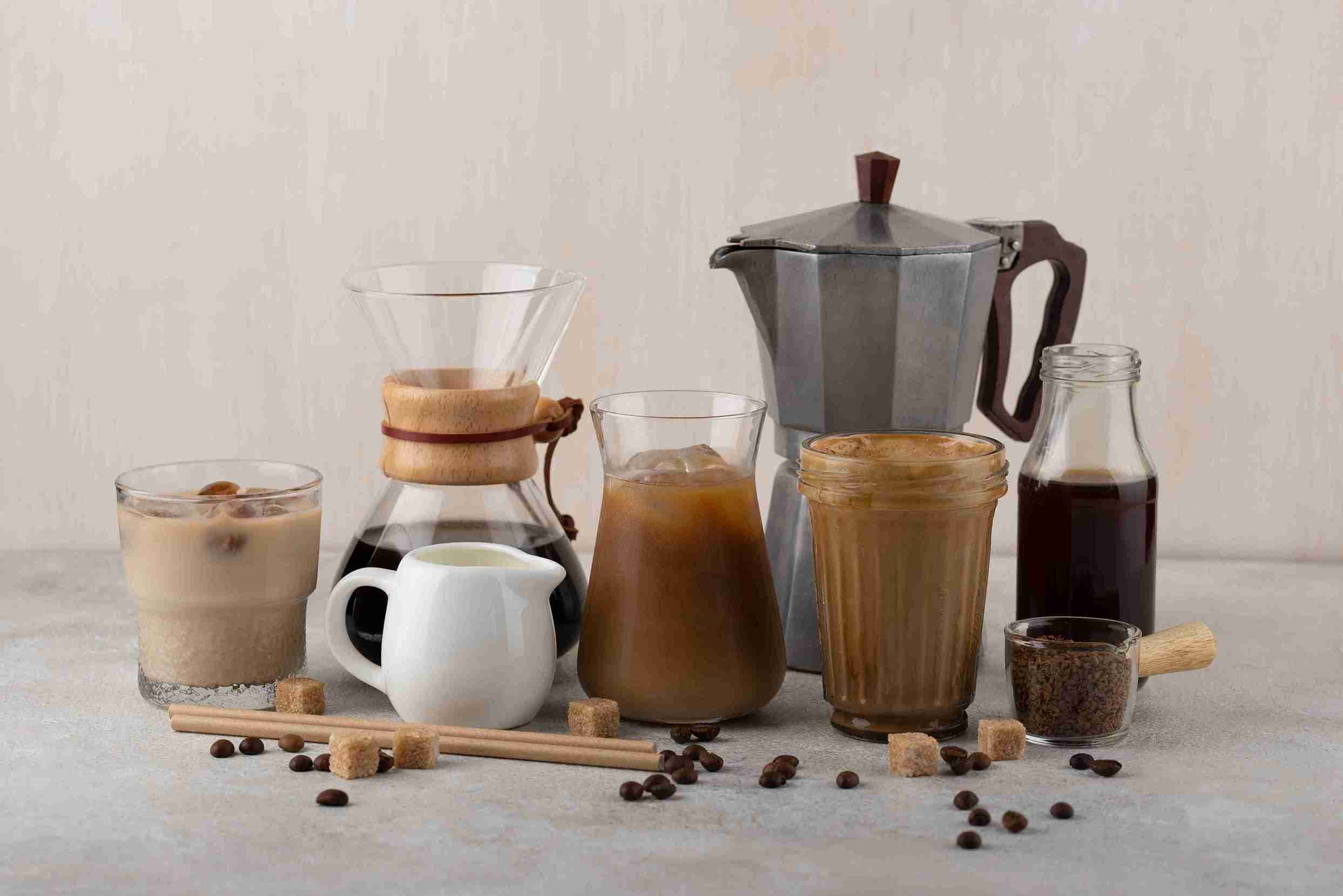
Creating a coffee shop menu is not just about selecting a list of drinks and displaying them on a menu board.
Behind every espresso served and every beautiful latte art, there is a well-thought-out business strategy.
The menu is the face of a coffee shop and a communication tool that reflects the brand’s character, quality, and positioning in the eyes of customers.
Beyond beverages, the selection of food items available in a coffee shop also plays a major role in shaping the overall hangout experience.
The right combination of coffee and complementary food can increase transaction value while encouraging customers to stay longer.
Many coffee shops fail to grow not because their coffee tastes bad, but because their menu lacks direction.
Too few options make customers bored quickly, while too many choices create confusion and operational challenges. So, how do you design the ideal menu? Let’s break it down step by step.
Why a Coffee Shop Menu Cannot Be Designed Carelessly
A coffee shop menu is the foundation of the customer experience. When someone walks into a coffee shop, after noticing the ambiance, the menu is one of the first things they look at.
From that moment, perceptions begin to form. Is this place focused on classic coffee? Is it modern and experimental? Or does it embrace a traditional concept?
Menu selection strongly influences customer loyalty. If the drink variety is too limited, customers have no reason to return and try something new.
On the other hand, if the menu is overly complex without a clear concept, the ordering process becomes slow and confusing for both customers and baristas.
Every additional item on the menu affects raw material inventory, storage processes, and serving speed.
The more variations added without proper calculation, the higher the risk of waste. Therefore, building a coffee shop menu requires consideration of the target market, team capacity, ingredient quality, and consistency of taste.
The menu also represents brand identity. A coffee shop with a complete manual brew selection will appear very different from one that focuses on trendy sweet beverages.
Concept consistency is what makes a brand recognizable and trustworthy.
Not only beverages, but the composition of food items available in a coffee shop must also align with the business concept.
Light pastries, cakes, or simple savory dishes can enhance the overall customer experience. Without proper planning, however, food offerings may burden operations and increase ingredient waste.
Read more: Thinking About Starting a Coffee Shop Franchise? Follow These Tips!
Types of Drinks Commonly Found on a Coffee Shop Menu

Source: freepik.com
Below are various types of drinks commonly found on coffee shop menus, both in Indonesia and around the world.
1. Espresso
Espresso is the foundation of almost all modern coffee drinks. It is brewed under high pressure, producing a concentrated liquid topped with golden crema.
The taste is strong and intense with a distinctive character. It is usually served in a small cup, known as a shot.
2. Americano
An Americano is made by adding hot water to espresso. It has a lighter taste than espresso but still maintains a strong coffee character.
This drink suits customers who prefer black coffee with a smoother intensity. The water-to-espresso ratio can be adjusted based on preference.
3. Long Black
Long black is often compared to an Americano, but the preparation method differs. Hot water is poured first, followed by espresso. This technique helps preserve the crema. The flavor is generally bolder than an Americano.
4. Cappuccino
Cappuccino consists of espresso, steamed milk, and milk foam in balanced proportions. It has a smooth texture with a thick foam layer on top.
It is often sprinkled with cocoa powder or cinnamon. The taste balances strong coffee and creaminess.
5. Coffee Latte
A latte contains more milk than a cappuccino. Its texture is creamy, and the coffee flavor is milder. Lattes are often decorated with latte art to enhance visual appeal. Flavored variations such as vanilla or caramel are also popular.
6. Flat White
Flat white is made with espresso and steamed milk with very fine microfoam. The coffee-to-milk ratio is higher than a latte. It has a smooth texture without thick foam. The coffee flavor is usually more pronounced.
7. Macchiato
Macchiato means “stained” in Italian. It is espresso topped with a small amount of milk. Since the milk portion is minimal, the coffee flavor remains dominant. It is often enjoyed as an afternoon drink.
8. Mocha
Mocha combines espresso, milk, and chocolate. It has a sweet taste with a hint of coffee bitterness. It is suitable for customers who prefer sweet beverages. The texture is smooth and rich.
9. Mochaccino
Mochaccino is similar to mocha but usually topped with whipped cream. The chocolate flavor is lighter compared to mocha. It feels creamier and more indulgent. It is often considered a dessert drink.
10. Affogato
Affogato is a combination of coffee and dessert. A shot of hot espresso is poured over vanilla ice cream.
The contrast between hot and cold creates a unique sensation. It is ideal for customers who want coffee and a sweet treat at the same time.
11. Cold Brew
Cold brew is brewed using cold water for 12 to 24 hours. The result is smoother and less acidic. It has a light and refreshing taste. It is usually served over ice.
12. Frappe
Frappe is blended with ice and milk. It has a smooth and cold texture. It is often flavored with chocolate or caramel syrup. This drink is popular among younger customers.
13. Iced Latte
Iced latte is the cold version of a latte. Espresso is mixed with cold milk and ice. It tastes light and refreshing. It is very popular in tropical countries.
14. Iced Americano
This drink is made by combining espresso, water, and ice. It has a light, non-creamy taste. It suits customers who prefer cold black coffee. It is usually a quick and practical choice.
15. Palm Sugar Milk Coffee
This menu is extremely popular in Indonesia. The combination of espresso, milk, and palm sugar creates a distinctive sweetness. It is relatively affordable. It appeals to a wide range of customers.
16. Kopi Tubruk
Kopi tubruk is a traditional Indonesian brewing method. Ground coffee is directly mixed with hot water without filtering. It has a strong and authentic taste. The coffee grounds usually settle at the bottom of the glass.
17. Vietnam Drip
This method uses a special metal drip filter. The coffee is thick and strong. It is often served with sweetened condensed milk. The taste is bold and sweet.
18. Manual Brew V60
V60 uses a pour-over technique with a cone-shaped filter. The result is clean and clear. The flavor profile is more complex. It is suitable for specialty coffee lovers.
19. Doppio
Doppio is a double shot of espresso. It has a stronger taste than a regular espresso. It is ideal for customers who need extra caffeine. It is served in a larger portion.
20. Seasonal Iced Coffee Blends
Many coffee shops introduce seasonal drinks such as pumpkin lattes or holiday specials. Seasonal menus create a sense of exclusivity. They are usually available for a limited time. This strategy effectively encourages repeat visits.
How to Determine the Right Coffee Shop Menu
Designing a menu should not simply be about offering as many items as possible. Here are some strategies to apply:
1. Know Your Target Market
A coffee shop near a campus may need affordable and trendy options. Meanwhile, one located in an office area might focus on high-quality coffee and practical menu choices.
2. Ensure High-Quality Coffee Beans
Coffee is the core product. Choose a trusted supplier and store the beans properly to maintain quality.
3. Offer Variety Without Overcomplicating
Too many options can complicate operations. Focus on items that sell well and provide healthy margins.
4. Introduce Seasonal Menus
Seasonal drinks during special occasions can increase engagement and create a sense of exclusivity.
5. Evaluate Regularly
Use sales data to identify which items perform well, which need improvement, and which should be discontinued.
Read more: 15+ Recommended Starbucks Menu Items & Customer Favorites
Frequently Asked Questions About Coffee Shop Menus
1. What coffee shop menu items are ordered most frequently?
Latte, cappuccino, espresso, and palm sugar milk coffee are usually favorites because their flavors are widely accepted.
2. What is the ideal number of menu items in a coffee shop?
Ideally, 20 to 40 well-curated items to keep operations efficient and inventory manageable.
3. Is it necessary to provide non-coffee options?
Yes. Tea, chocolate-based drinks, and non-caffeinated beverages help attract customers who do not consume coffee.
4. How can you determine which menu items to keep?
Review sales data, profit margins, and customer feedback regularly.
5. Is food important in a coffee shop?
Yes. In addition to beverages, food items available in a coffee shop help increase average order value and extend customer visit duration.
Conclusion
Creating a coffee shop menu requires strategy, research, and a deep understanding of the market.
From classic espresso to modern cold brew, every drink choice reflects the brand’s identity. The right menu not only increases sales but also builds loyalty and delivers a consistent customer experience.
To make coffee shop operations more organized and controlled, digitalization is a crucial step. ESB provides a complete ecosystem for F&B businesses, including POS systems, ERP, kiosks, online food ordering systems, supply chain management, and queue management systems.
ESB POS is a holistic cashier application specifically designed for culinary businesses.
It can detect and prevent fraud, manage menus and promotions, provide comprehensive table management features such as split bill and move table, support multi-cashier operations, offer customer display, and integrate with GrabFood, GoFood, and ShopeeFood.
The system is also connected to a kitchen display, enabling kitchen staff to process orders faster and more accurately.
With loyalty programs, digital vouchers, reservation systems, and deposit systems for food court concepts, operations become more efficient and scalable.
Contact the ESB team today and take advantage of the ESB ecosystem to grow your culinary business.


