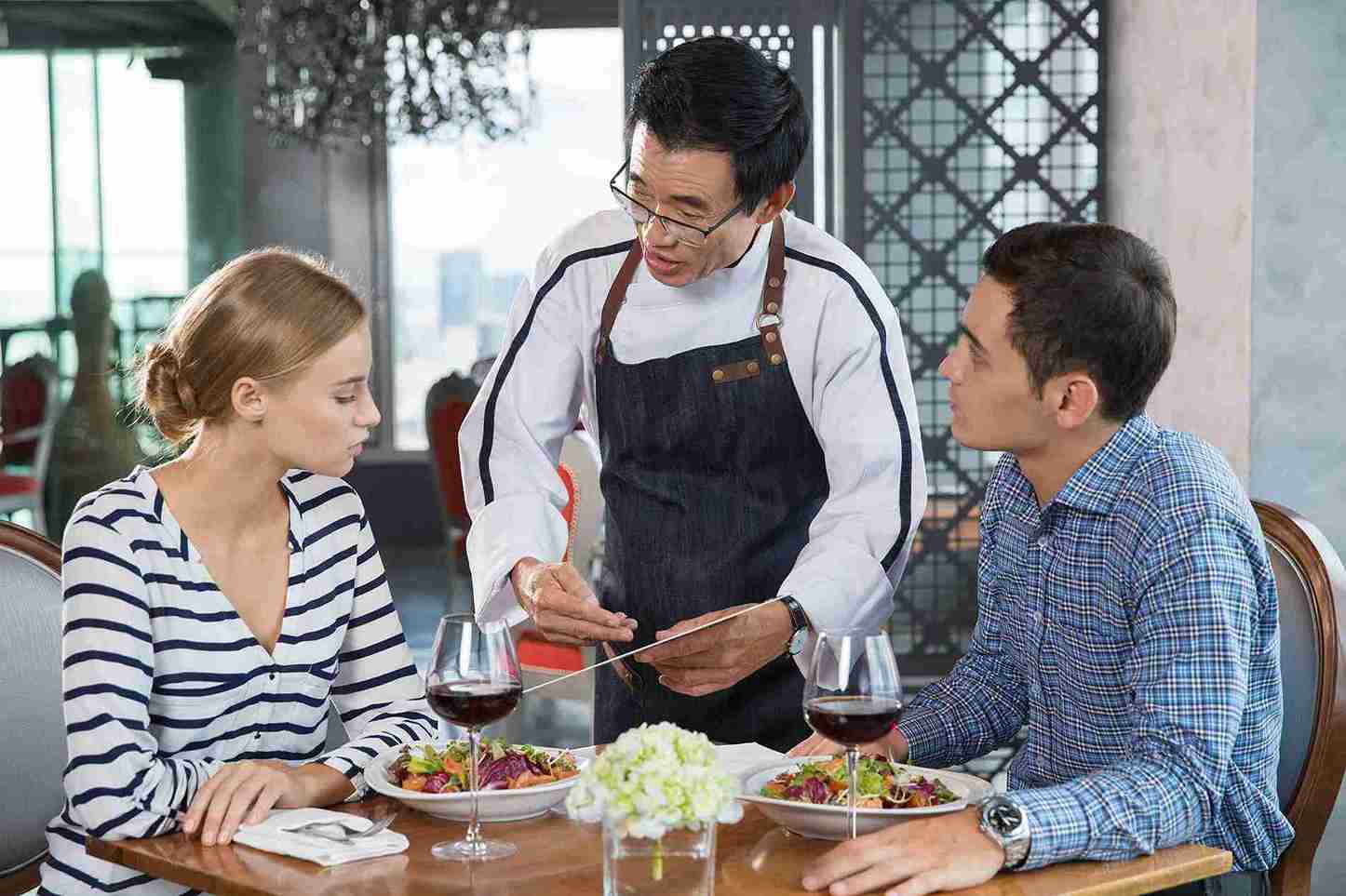
Running a restaurant is not just about great taste or an attractive menu presentation.
Behind smooth and professional service, there is a system that helps manage the flow of orders so that every dish is served at the right time. One important concept in modern restaurant operations is hold and fire.
For culinary business owners, understanding hold and fire is not just about knowing the term, but also about understanding how it works and how it impacts service quality.
This article will discuss in detail what hold and fire is, how it is implemented in restaurants, and how this feature can be optimized through the right POS system.
What Is Hold and Fire in Restaurants?
Simply put, hold and fire is a method used to manage the timing of sending orders to the kitchen.
This concept allows restaurant staff to delay certain items within an order and send them to the kitchen at the most appropriate time.
In practice, hold means delaying or postponing specific items so they are not immediately processed in the kitchen, even though the order has already been recorded in the system.
Meanwhile, fire means sending a command for items that were previously held to start being cooked or prepared at the required time.
This concept is commonly used when customers order multiple items at once, such as appetizers, main courses, and desserts.
Not all dishes need to be prepared simultaneously. With hold and fire, restaurants can maintain a more structured serving rhythm.
Why Is Hold and Fire Important in the Culinary Business?
From an operational perspective, one of the biggest challenges in running a restaurant is maintaining a stable kitchen pace.
If all orders are sent and processed at the same time, the risk of dishes being served out of sequence becomes higher.
Here are several reasons why hold and fire is important in the culinary business:
1. Maintaining the Ideal Serving Order
Imagine a customer ordering an appetizer and a main course at the same time. If both are prepared simultaneously, the main course might be ready too early while the customer is still enjoying the appetizer.
With hold and fire, the appetizer can be sent directly to the kitchen, while the main course is held.
When the customer is almost finished with the first dish, staff can simply press the fire button so the kitchen begins preparing the next course.
As a result, the dining experience feels more comfortable and professional.
2. Preserving Food Quality and Temperature
Food that waits too long before being served can lose its ideal temperature, texture, or presentation quality. With a hold and fire system, the cooking process is more controlled because it starts at a more precise time.
This is especially important for time-sensitive dishes such as steak, pasta, or certain desserts.
3. Managing Kitchen Workload
During peak hours, the kitchen can receive dozens of orders within a short period. Without proper control, all orders are immediately sent and start piling up.
Hold and fire helps regulate the flow of incoming orders. Staff can delay certain items so the kitchen does not become overwhelmed. The working rhythm becomes more stable, and the risk of mistakes decreases.
4. Supporting Set Menu or Package Concepts
Many restaurants offer set menus with multiple courses. In this situation, hold and fire is extremely helpful in ensuring that each part of the package is served in the correct sequence.
Without such a system, the kitchen crew would have to rely solely on manual communication, which increases the risk of miscommunication.
Read more: Cloud POS: The Modern Way to Manage Restaurants with Ease
How Hold and Fire Works in a POS System

Source: freepik.com
In modern restaurants, hold and fire is usually integrated directly into the POS system. The workflow generally looks like this:
- Staff record the entire customer order in the POS.
- Certain items are marked as hold.
- Items that are not held are immediately sent to the kitchen.
- When the timing is right, staff press the fire button to send the previously held items.
Notifications then appear on the kitchen display screen or are printed on kitchen slips. This ensures that the kitchen only processes items that are ready to be prepared.
Some POS systems even provide timer-based settings. This means held items can be automatically sent to the kitchen after a specific duration without requiring additional action from staff.
Features like this are extremely helpful in maintaining service consistency, especially in restaurants with high transaction volumes.
The Difference Between Hold and Fire Functions
Although the concept sounds simple, understanding the specific function of each button is crucial to ensure smooth operations.
Hold Function
The hold function delays sending items to the kitchen. The items remain recorded in the system but do not enter the production queue.
This is suitable for dishes that will be served later, such as desserts or certain beverages. With the hold feature, staff have full control over when cooking begins.
Fire Function
The fire function sends previously held items to be processed immediately. It signals the kitchen that the order is ready to be prepared. This function is usually used when customers are almost finished with their previous course.
The combination of both functions creates a more flexible and professional serving rhythm.
The Role of Hold and Fire in Enhancing Customer Experience
Dining experience is not just about taste. Serving time greatly influences how customers perceive a restaurant’s quality. Dishes that arrive too quickly can make the table feel crowded and uncomfortable, while food that arrives too slowly can create the impression of slow service.
By implementing hold and fire, restaurants can maintain a balanced serving pace. Dishes do not pile up on the table because each item is served in the proper order.
Customers can enjoy each course more comfortably without feeling rushed. In addition, the service team appears more organized because each dish is delivered in a planned sequence rather than simply following the kitchen queue.
In the long term, well-managed serving timing builds a positive perception of the restaurant brand.
Small details such as timing may not be consciously noticed by customers, but they significantly influence comfort and the likelihood of returning.
Frequently Asked Questions About Hold & Fire
1. Is hold and fire only used in large restaurants?
No. Small to large-scale restaurants can benefit from this feature, especially if they serve more than one type of dish at the same time.
2. Does hold and fire slow down service?
On the contrary, it makes service feel more controlled. Food is still served promptly, but in the correct order.
3. Do all POS systems have a hold and fire feature?
Not all POS systems provide this feature. Some systems automatically send orders to the kitchen without any delay option.
4. Is hold and fire suitable for cafés?
Yes. It is especially suitable for cafés that serve both main dishes and desserts in the same visit.
5. Can this feature be used for desserts?
Yes. Desserts are one of the most common examples of hold and fire usage, as they are typically served after the main course is finished.
Conclusion
Hold and fire is an essential strategy in restaurant operations to manage serving time in a more organized, controlled, and professional way.
With this concept, restaurants can ensure that each dish is served at the right moment, maintain food quality, and enhance the overall dining experience.
In practice, the hold & fire feature is also available in ESB POS. This feature makes it easier for restaurant teams to mark orders that need to be delayed, such as desserts that will be served after the main course is finished.
Held items remain recorded in the system and can be sent to the kitchen at the right time with just one step.
As a holistic cashier application specifically designed for the culinary business, ESB POS is also equipped with comprehensive table management features such as link table, move table, and split bill.
The application also provides multi-cashier support to improve operational efficiency, a customer display to help customers review their orders, and integrations with GrabFood, GoFood, and ShopeeFood.
In addition, it offers loyalty programs, reservation features, digital vouchers, kitchen display integration, and a deposit system for food court concepts. With the right system in place, kitchen workflow and service operations can run much more efficiently and smoothly.
Contact the ESB Team and consult your business needs today!


