What Does Expiration Date Mean?
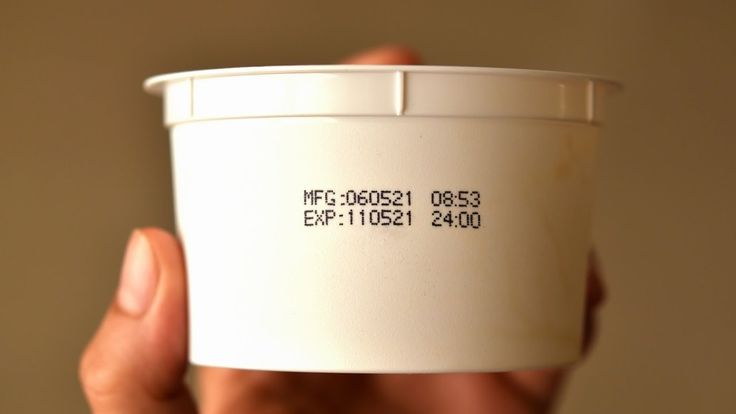
An expiration date is the final date that a product remains in optimal condition before its quality starts to decline. This date serves as a key reference for consumers to ensure that a product is still safe to use or consume.
Every product has a different lifespan, depending on its ingredients, production process, and storage conditions. For food and beverages, the expiration date marks the safety limit for consumption before the product undergoes changes in taste, texture, or even becomes hazardous to health. Meanwhile, for products like cosmetics and medications, the expiration date serves as a warning that active ingredients may degrade, reducing effectiveness or even causing adverse reactions.
Understanding the expiration date goes beyond simply reading the date on the packaging. It is a crucial step in maintaining the quality and safety of daily-use products. Manufacturers determine expiration dates based on rigorous research and testing to ensure that the product meets the highest quality standards within a specific period. Ignoring expiration dates can impact both health and user experience.
As a manufacturer, ensuring clear and accurate expiration dates is part of the responsibility to maintain product quality and safety. The determination of expiration dates must undergo strict testing to confirm that products remain in their best condition until the specified deadline. Additionally, proper storage instructions should be clearly stated so consumers can preserve product quality as recommended.
Read more: How to Tackle Food Waste in the Culinary Business
The Difference Between Expiration Date and Best Before Date
Source: id.pinterest.com
Have you ever seen two types of dates on product packaging and found it confusing? Expiration date and best before date are often mistaken as the same thing, but they actually serve different purposes. Understanding this difference can help you consume products more wisely and safely.
The expiration date is the final date when a product is still safe to consume. After this date, the product may undergo changes that pose health risks, such as bacterial growth or deterioration in ingredient quality. Expiration dates are commonly found on perishable items such as medications, dairy products, meat, and fresh food. If the expiration date has passed, the product should no longer be consumed to avoid health risks.
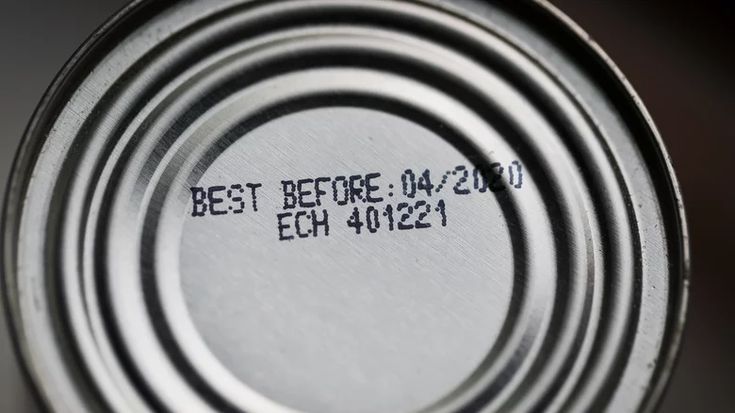
On the other hand, the best before date indicates the period during which a product maintains its best quality in terms of taste, texture, and nutritional value. After this date, the product may still be safe to consume as long as there are no signs of spoilage, such as an unusual smell or discoloration. This label is often found on dry goods, canned foods, or packaged beverages.
Knowing the difference can help you reduce food waste while maintaining health. So, before discarding a product that has passed its best before date, check first if it is still safe to consume!
Tips to Ensure Product Safety
Ensuring product safety is not just about maintaining quality but also about protecting health. With the right steps, products can last longer and remain safe for use. Here are some practical ways to do so:
1. Check Expiration Dates Regularly
Before purchasing a product, always check the expiration date on its packaging. Choose products with a longer shelf life to ensure freshness and prolonged safety.
Once the product is at home, make it a habit to check expiration dates regularly. Products like food, medicine, and cosmetics may lose their effectiveness if used past their expiration date. Discard expired products to avoid health risks.
2. Store Products Properly
Each product has specific storage requirements. Food and medicines often require certain temperatures to remain stable. Ensure products are stored according to recommendations, such as in a cool, dry place or refrigerated after opening.
Avoid storing products in direct sunlight or humid areas. Use airtight containers for items prone to oxidation and moisture to maintain their quality.
3. Use Products Correctly
To keep products hygienic, avoid direct contact with hands. Use a clean spoon or spatula, especially for skincare products and food.
Apply the FIFO (First In, First Out) method when organizing stock. Place older products at the front so they are used first. This prevents waste from products expiring before use.
4. Manage Inventory Effectively
For products without a clear expiration date, such as homemade food or items transferred to another container, label them with the purchase date. This helps track when they should be used.
Conduct regular checks in the kitchen, medicine cabinet, and storage areas. Rearrange products periodically so that those nearing expiration are easily accessible. This way, products stay fresh, safe, and are not wasted.
Read more: 9 Ways to Create Inventory Reports for Restaurants and Culinary Businesses
Conclusion
Expired means past the validity period, but it does not always mean that a product is immediately unsafe. Expiration dates help consumers determine the consumption or usage period of the products they purchase. If food or beverages have passed their expiration date, they should be discarded and not consumed.
For those running a culinary business, ensuring that raw materials remain fresh and high-quality is essential. Take advantage of ESB solutions to manage inventory, cost of goods sold (COGS), stock across all branches, and stock-taking. ESB systems can also record sales data, inventory reports, and generate automatic financial reports. With this digital solution, stock management becomes more practical, and the risk of expired materials can be reduced. Let’s consult about your business now!


