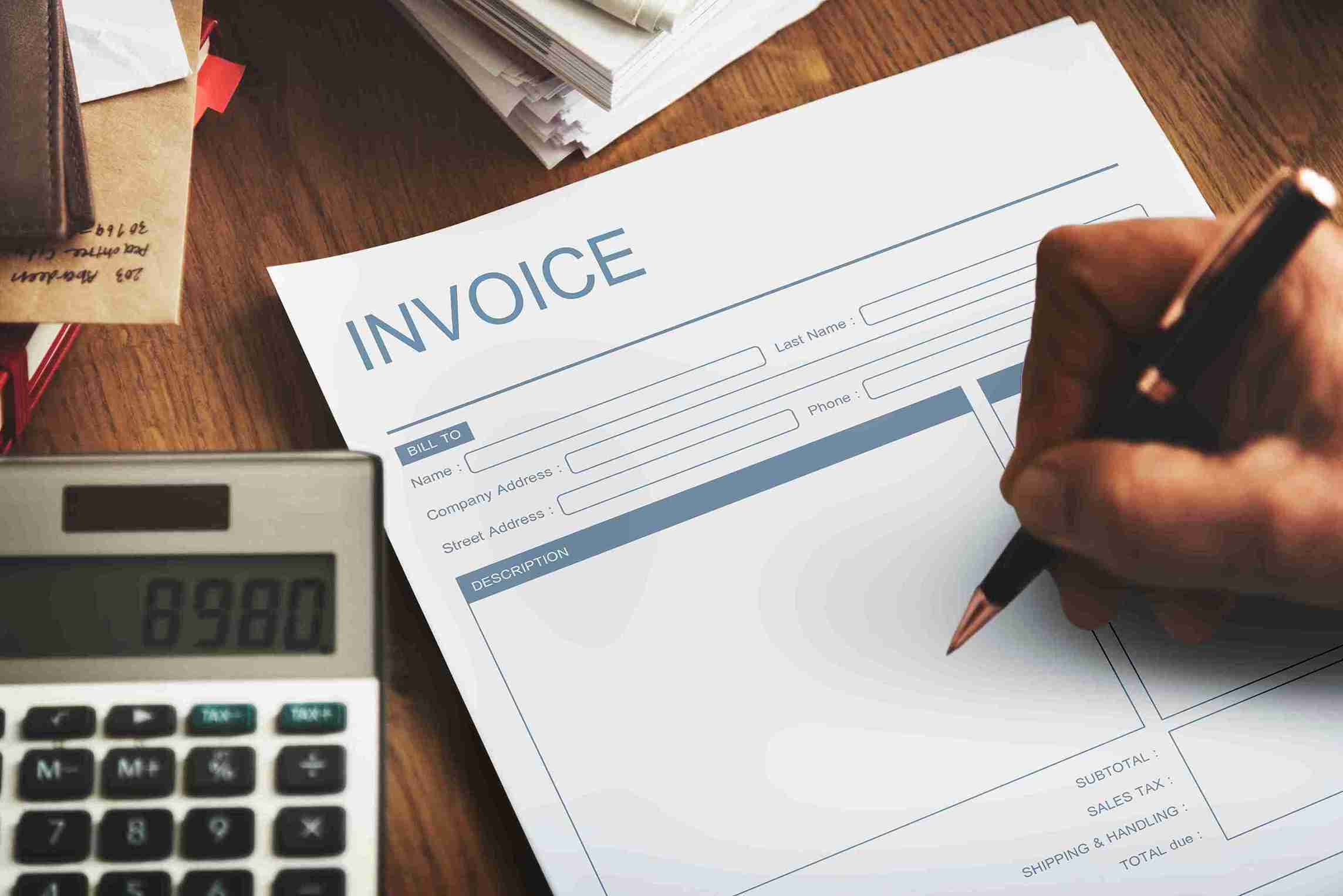
Managing a business is not only about successfully selling products or services, but also about ensuring that payments are actually received on time. Many businesses appear to have strong sales, yet their cash flow gets stuck due to an unorganized billing process.
This is where invoices play a crucial role.
Unfortunately, many business owners still consider invoices as mere formalities. In fact, by using the right payment invoice examples, you can speed up payments, reduce errors, and at the same time improve your business’s professional image.
This article will discuss everything in detail, from the definition, functions, and payment invoice examples to how to create them so they are more effective and easier to manage.
What Is a Payment Invoice?
After a transaction is completed, many business owners expect payment to be made immediately. However, without a clear document, customers may become confused about the billing amount, transaction details, or even the payment method.
A payment invoice serves as a solution to this problem.
An invoice is a document that contains details of the bill that must be paid by the customer. It does not only include the total amount but also explains transaction details such as products or services, quantity, price, and payment terms.
Unlike receipts or payment vouchers, invoices are usually issued before payment is made. This document functions as an official reminder that there is an obligation that needs to be settled by the customer within a certain period.
Functions of Payment Invoices in Business
An invoice is not just a billing document. When used properly, it plays a significant role in maintaining business stability and professionalism.
1. Simplifying the Billing Process
Without a clear invoice, the billing process often relies on manual communication, which is prone to miscommunication. Customers may forget transaction details or may not even realize that there is an outstanding bill.
With a structured invoice, all the necessary information is summarized in one document. This makes the billing process more systematic and minimizes obstacles in receiving payments.
2. Serving as an Organized Financial Document
Every transaction in a business needs to be recorded properly so it can be tracked in the future. Invoices help you organize transaction data in a structured and systematic way.
From this data, you can better understand your financial condition, including income, receivables, and customer transaction history.
3. Supporting Tax Requirements
In tax management, clear transaction evidence is essential. Invoices are one of the important documents that can be used as references in reporting.
With complete and consistent invoices, the tax administration process becomes easier and reduces the risk of errors.
4. Improving Business Professionalism
Customers often judge a business from small details, including how invoices are prepared. A neat and clear document reflects that your business is managed seriously.
On the other hand, messy or inconsistent invoices can reduce customer trust and even affect their decision to work with you again.
Important Components in a Payment Invoice
For an invoice to function effectively, there are several essential components that must not be overlooked:
1. Invoice Title
A title such as “INVOICE” may seem simple, but it plays an important role. It helps the recipient immediately understand that the document is a bill.
Without a clear title, the invoice might be considered an ordinary document and not prioritized.
2. Seller and Buyer Information
An invoice must clearly state who is issuing the bill and who is responsible for paying it. Include the business name, address, and contact details.
This information is also important in case clarification or further communication is needed.
3. Invoice Number and Date
The invoice number serves as a unique identifier that makes it easier to track and archive documents. Meanwhile, the date helps determine when the invoice was issued and when the transaction occurred.
Together, they help maintain an organized record-keeping system.
4. Product or Service Details
This is the core part of the invoice. All products or services must be described in detail, including name, quantity, and price.
The clearer the details, the smaller the chance of misunderstandings.
5. Total Amount
The total payment must be clearly displayed and easy to find. If there are taxes or discounts, they should also be included in the calculation.
This section is usually the main focus for customers when reviewing an invoice.
6. Payment Terms and Conditions
Without clear terms, customers may delay payments indefinitely.
Therefore, include the payment deadline, payment methods, and other relevant terms.
10 Payment Invoice Examples for Various Businesses
Each type of business has different needs, so invoice formats may vary. Here are several payment invoice examples you can use as references:
1. Goods Purchase Invoice

Source: paper.id
2. Fashion Company Invoice

Source: kledo.com
3. Travel Company Invoice

Source: dealls.com
4. Design Service Invoice

Source: mekari.com
5. Legal Service Invoice

Source: jobstreet.com
6. Internet Payment Invoice

Source: scribd.com
7. Car Rental Invoice

Source: jobstreet.com
8. Project Service Invoice

Source: jobstreet.com
9. Online Store Invoice

Source: mekari.com
10. Bookstore Invoice

Source: jobstreet.com
Read more: Important for Business Financial Management, Here
How to Create a Professional Payment Invoice
Creating an invoice is not just about listing numbers, but also ensuring that the information is delivered clearly and is easy to understand.
1. Start with Complete Data
A good invoice always begins with complete data. Missing information can raise questions and slow down the payment process.
With clear data from the start, you can avoid repeated revisions or clarifications.
2. Use a Neat and Consistent Format
A well-structured invoice helps customers understand the document quickly. Use the same format for every invoice to maintain a professional appearance.
Consistency also makes data management easier.
3. Provide Detailed Descriptions
The more detailed the information you provide, the less likely misunderstandings will occur. Do not just list the service name, but also explain the scope or deliverables.
This is especially important for service-based businesses.
4. Set Clear Payment Terms
Without clear rules, customers tend to delay payments. Therefore, include due dates, payment methods, and easy-to-follow instructions.
Clear terms help accelerate your business cash flow.
5. Use a Structured Numbering System
Invoice numbers help you track transactions more easily. Use a consistent system to avoid duplication or confusion.
This becomes increasingly important as your business grows.
Practical Ways to Manage Invoices for Your Business
As transactions increase, creating invoices manually becomes inefficient. A more practical approach is needed to keep the process running smoothly.
1. Use Invoice Software
Using software can speed up the invoice creation process. You no longer need to create documents from scratch for every transaction.
It also helps reduce the risk of errors.
2. Utilize Automation
For recurring transactions, automation can be very helpful. You can schedule invoices to be sent regularly without manual input.
This makes the process more efficient and consistent.
3. Use a Consistent Design
A neat and consistent design strengthens your brand identity. Customers will also find it easier to recognize your invoices.
This creates a stronger professional impression.
4. Maintain Organized Records
All invoices need to be stored properly for easy access when needed. Well-organized records help you monitor and evaluate your business.
Without a clear system, data can be difficult to track.
5. Ensure Data Accuracy
Even small errors in invoices can have a big impact on payments. Always double-check before sending the document.
Accuracy is key to maintaining customer trust.
Tips for Creating Effective Payment Invoices
Not all invoices are paid immediately. Here are some tips to make your payment invoices more effective:
1. Use an Easy-to-Understand Format
Invoices that are too complicated can slow down payments. Customers need clear and straightforward information.
A simple and structured format helps them understand the bill easily.
2. Clarify Payment Instructions
Unclear instructions are a common cause of delayed payments. Customers may hesitate or make mistakes when transferring funds.
Make sure to include payment methods, bank account details, and any required steps after payment.
3. Set a Clear Deadline
Without a deadline, invoices tend not to be prioritized. Customers may delay payment indefinitely.
A clear due date encourages faster payment.
4. Follow Up Professionally
Not all customers pay on time. In such cases, follow-up becomes essential.
Send reminders politely to maintain a good business relationship.
5. Avoid Errors
Even small mistakes can delay payment. Customers may request revisions or clarification before paying.
Ensuring accuracy from the start will speed up the entire process.
6. Send Invoices Promptly
Delaying invoice delivery is a common mistake. The longer you wait, the higher the chance customers will forget or postpone payment.
Sending invoices immediately increases the likelihood of faster payment.
Common Mistakes in Creating Invoices
The following mistakes often occur and can lead to payment delays:
1. Incomplete Information
Incomplete invoices force customers to ask for clarification, which slows down the process.
2. Inconsistent Format
Inconsistent formatting makes invoices harder to manage and reduces professionalism.
3. No Deadline Provided
Without a deadline, customers have no urgency to pay.
4. Late Invoice Delivery
The later the invoice is sent, the longer it takes to receive payment.
5. Unclear Descriptions
Lack of detail can lead to misunderstandings and delays.
Challenges of Managing Invoices Manually
Although still widely used, manual invoice management has several limitations that can hinder business growth.
1. Prone to Errors
Manual processes rely heavily on human input, increasing the risk of mistakes.
2. Difficult to Monitor
Without a centralized system, tracking invoice status becomes time-consuming and inefficient.
3. Inefficient Process
All tasks are handled manually, from creation to recording, making the process slower.
4. Risk of Data Loss
Manual documents are more likely to be lost or damaged, especially without digital backups.
5. Hard to Scale
As your business grows, manual systems struggle to keep up with increasing transaction volume.
Read more: Learn About the Various Term of Payment Methods for Your Food Business
FAQ About Payment Invoices
1. What is a payment invoice?
An invoice is a billing document issued before payment is made.
2. What is the main function of an invoice?
To simplify billing and record transactions.
3. Is an invoice mandatory?
Not mandatory, but highly recommended for maintaining professionalism.
4. What is the ideal payment term?
Typically between 7 to 30 days.
5. Can invoices be created digitally?
Yes, and it is even more efficient than manual methods.
Conclusion
A payment invoice is an essential part of business operations that is often overlooked, even though it plays a major role in maintaining cash flow and professionalism.
By understanding the components, functions, and various payment invoice examples, you can build a more organized and efficient billing system.
If you want to automate invoice creation, financial recording, and overall business management without the hassle, it’s time to switch to a more advanced system like ESB POS.
With comprehensive features ranging from transaction management and financial reporting to business process automation, you can focus on growing your business without worrying about operational complexities.
Contact the ESB team today and experience the ease of managing your business in one integrated system.


