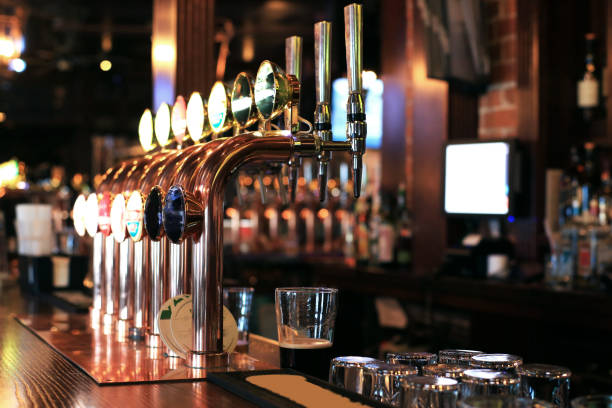
Have you ever seen a bar that looks relaxed, but orders come out quickly and neatly?
The secret often isn't the high price, but rather the right choice of bar equipment and how you organize it from the start.
Many business owners realize that a small investment in bar equipment can have a significant impact on service speed and customer experience.
This article will explore bar equipment from a practical and relevant perspective.
Neat Bar Is A System
Many people think a neat bar requires expensive equipment. However, a neat bar is more determined by its working system and the selection of appropriate bar equipment.
When tools are used appropriately, bartenders' movements become more efficient.
In the beginning, understanding the basic functions of bar equipment can make a big difference.
The bar looks professional, and the team feels more comfortable performing their duties.
Understanding the Role of Bar Equipment in Bar Operations
In general, bar equipment includes all the equipment needed to prepare and serve beverages, from measuring tools and mixing containers to serving utensils.
Interestingly, good bar equipment always serves two purposes: it helps speed up work and maintains consistent results.
This is why equipment selection requires careful consideration from the outset. When bar equipment is neatly organized, service time can be reduced without sacrificing quality.
Read Also:What Is Open Table? Here's What It Means and Its Benefits for the Restaurant Business
Basic Bar Tools You Must Have
Getting more specific, there are some basic bar tools you'll almost always need. A jigger for measuring. A shaker for mixing. A bar spoon for stirring.
These tools are relatively affordable, but they have a significant impact. Consistent measurements result in a more consistent drink flavor. With easily accessible tools, the process is faster.
Connecting Basic Tools with Service Speed

Source: Istockphoto
Service speed is often determined by the team's familiarity with the bar equipment used. Simple yet ergonomic tools allow for more reflexive hand movements.
Many successful bars rely on minimalist equipment. They focus on efficiency, not quantity.
Each piece of equipment has a distinct function. This approach keeps the bar tidy even during busy times.
Often Underestimated Support Tools
Besides the main tools, there are supporting bar tools that are often taken for granted.
For example, anti-slip trays, ice scoops, or bar wipes. Yet, these small tools play a significant role in keeping the workflow running smoothly.
In the baar equipment category, supporting tools help maintain cleanliness and safety.
Spills can be minimized, and the work area remains organized. A tidy work area also makes service feel more professional.
Arranging Baar Equipment for a More Efficient Workflow
Once the tools are collected, organizing them is the next step. Equipment should be placed according to how often it's used. Frequently used tools should be easily accessible.
This arrangement allows bartenders to focus on service, rather than frantically searching for equipment.
Neatly organized bar equipment also reduces work stress during busy times. This allows the bar to maintain a fast pace without losing control.
Read Also:Barback vs. Bartender: Here's the Difference You Need to Know!
Bar Tools for a More Professional Look
Beyond function, bar equipment also plays a role in visual appearance. Clean glasses. Neat garnish containers. All of these shape customer perceptions.
In the context of bar equipment, a professional appearance doesn't necessarily mean luxury.
What matters is cleanliness, consistency, and well-maintained. Small details like these often keep customers happy and keep them coming back.
Managing Baar Equipment Maintenance From the Start
Maintenance is often overlooked when it comes to new equipment. However, well-maintained equipment lasts longer and remains comfortable to use.
Cleaning bar equipment after each operation helps maintain quality. Clean equipment also supports service standards.
This habit may seem trivial, but it has a significant long-term impact.
Matching Bar Equipment to the Bar Concept

Source: Istockphoto
Every bar has a different concept. Some focus on coffee, others on mocktails, and still others combine the two.
The choice of bar equipment needs to be tailored to this concept. With the right tools, operations become more relevant.
One of the benefits of choosing the right bar equipment is cost-effectiveness. You don't need to buy excessive equipment.
With a clear bar equipment list, expenses can be kept down.
As bars become increasingly busy, managing equipment and manual operations can often feel overwhelming.
At this point, many businesses begin to consider a more structured system. While the equipment remains physical, its management can be facilitated with a digital system.
Bar Tools and Service Consistency
Consistency is key in the culinary business. With the right bar equipment, you can maintain the flavor of your drinks, and your serving time will be more consistent.
In the long run, consistent equipment helps build customer trust. They know what to expect every time they visit. This is the value loyal customers often seek.
Read Also:Get to Know the Mixologist Profession: The Expertise in Mixing Drinks and Their Duties in a Bar
FAQ About Bar Tools
1. Why are bar tools important in bar operations?
Bar tools help bar crews work faster, more efficiently, and more consistently. With the right equipment, serving drinks becomes more efficient and error-free.
2. Do bar tools always have to be expensive?
No. There are plenty of simple, affordable bar tools that are still functional and durable for everyday use.
3. What bar tools are the most must-have?
Some essential basic tools include a shaker, jigger, bar spoon, strainer, and ice tong. These tools are sufficient to support daily bar service.
4. How do you care for bar tools to keep them durable?
Simply clean the tools after use, dry them thoroughly, and store them neatly. Regular maintenance helps keep bar tools hygienic and ready to use at any time.
Conclusion
Even the best tools require a team that knows how to use them. Simple training on bar equipment can significantly improve work efficiency.
A team that is familiar with bar equipment moves more smoothly, and coordination becomes more seamless.
Choosing bar equipment doesn’t have to be expensive. What matters most is that it’s practical and fits your operational needs.
With functional and well-organized bar tools, service can run faster and more neatly.
If you want to take the next step, digitalization can be the way forward. The ESB ecosystem for bars helps culinary businesses manage operations, inventory, and data within one interconnected system.
It’s time for your bar to operate more efficiently and move faster with digital solutions from Contact the ESB Team.


