SHARE
SHARE
What is All You Can Eat? Understanding and Tricks to Eat a Lot Here So You Don
Briantama Afiq Ashari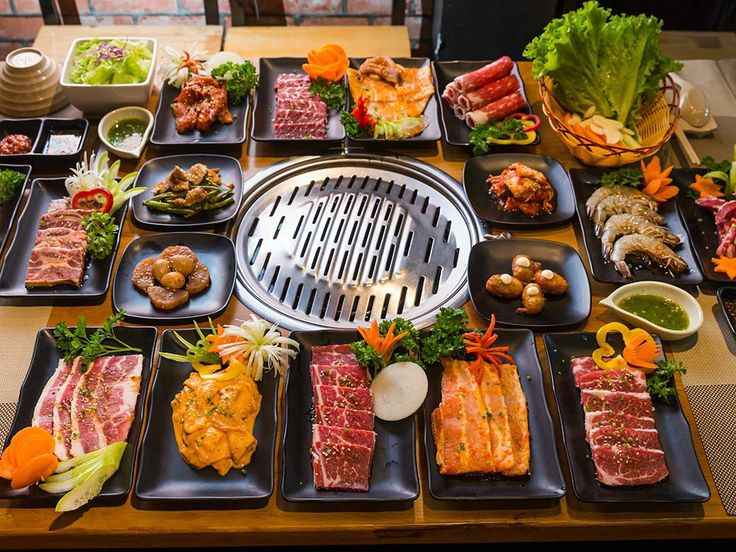
You have probably heard the term all you can eat quite often in the culinary world. This concept is very popular, especially in restaurants that use buffet or grill & shabu systems. However, what does all you can eat actually mean?
In simple terms, all you can eat is a dining concept where customers can eat as much as they want for one fixed price. Customers pay upfront and are then free to enjoy a wide variety of menu items as long as they follow the restaurant’s rules.
Although it seems very profitable, not a few people feel they do not get the most out of it because they do not fully understand how the system works. Therefore, this article will thoroughly discuss the definition, how the all you can eat system works, dining etiquette, strategies so you do not lose out, as well as its advantages and disadvantages.
What does All You Can Eat mean?
First of all, we have to know the concept of all you can eat, so literally it means "eat to your heart's content." Restaurants that offer this concept usually serve food in buffet form.
Visitors can take as much food as they want, but there are still rules, such as limited eating times. The all you can eat buffet concept means more than just eating as much as you can.
Behind that, there is a restaurant business strategy that makes the sensation of eating more enjoyable. The restaurant tries to attract customers with a varied menu and a comfortable atmosphere.
For those of you who like to eat a lot, this concept is clearly profitable. However, if you don't know how to eat it, you might end up losing money. So, it's really important to know the tricks before trying an all you can eat restaurant, OK?
Read Also: 5 Most Unique All You Can Eat Restaurants in Jakarta, You Must Try!
How the All You Can Eat System Works
To avoid misunderstandings, it is important to understand how this system operates in restaurants. Here is the explanation:
1. Payment Is Made Upfront (Fixed Price)
Customers pay one fixed rate before they start eating. With that price, you can enjoy all the available menu items without additional charges per dish (as long as it follows the restaurant’s terms and conditions).
2. There Is a Time Limit
Most restaurants set a specific dining duration, usually around 60–120 minutes. This policy is implemented to ensure smooth table turnover and efficient restaurant operations.
3. Different Serving Systems
Not all restaurants use the same system. Some apply a buffet concept where customers take their own food. Others use a made to order system, allowing customers to place repeated orders and have dishes served directly by staff to maintain freshness and quality.
4. Portion Rules and Leftover Fines
Many restaurants apply additional charges if there is too much leftover food. The purpose is to reduce food waste and encourage customers to take only what they can finish.
5. Highly Varied Menu Options
Generally, there are various categories available, ranging from meat, seafood, vegetables, carbohydrate-based dishes, to desserts and beverages. Some restaurants also provide premium menu options such as wagyu or special seafood selections.
6. Self-Service or Staff-Assisted
In grill & shabu concepts, customers usually cook their own food at the table. In other restaurants, staff members assist with food preparation and serving.
7. Food Cannot Be Taken Home
Food in an all you can eat system must be consumed on-site. Taking leftover food home is generally not allowed.
Buffet and All You Can Eat, What's the Difference?
So, after knowing the all you can eat concept, you also need to know about the buffet system. Even though they look the same, there are actually differences, you know!
So, a buffet is a food serving system where a wide selection of dishes are prepared and placed on the table.
You can choose and take food as you wish. Usually, buffets offer a variety of foods in specified quantities. Guests can take whatever portion they want, but not always unlimited.
Meanwhile, all you can eat is a concept where guests pay a fixed price to enjoy as much food as they want in one dining session. In this system, there is no limit on the amount of food that can be taken.
You can fill your plate repeatedly during the specified time. Although both concepts give customers the freedom to choose food, the main difference lies in the quantity restrictions and serving methods.
Buffet emphasizes a variety of choices, while all you can eat focuses on quantity without limitation. You understand the difference, right?
Dining Etiquette at All You Can Eat Restaurants
In addition to understanding the system, it is also important to maintain good manners while dining at an all you can eat restaurant. Proper etiquette ensures a comfortable dining experience for everyone.
Some important points to consider:
- Take a reasonable portion first. If you still want more, you can always refill.
- Use your dining time to enjoy the food and have conversations instead of spending too much time on your phone.
- Respect the restaurant’s rules, especially regarding time limits and leftover policies.
By maintaining proper etiquette, you show respect to both the staff and other customers.
Smart Ways to Eat All You Can Eat So You Don’t Lose Out
Many people want to maximize the value when dining at an all you can eat restaurant. Here are several strategies you can apply:
1. Prioritize Protein
Start with meat, seafood, or other protein sources. These types of food generally have higher prices compared to carbohydrates.
2. Avoid Too Much Carbohydrate at the Beginning
Rice, noodles, or potatoes can make you feel full quickly. It is better to consume them in moderation so you can still try other menu items.
3. Choose Higher-Value Menu Items
If premium options such as wagyu, special sushi, or fresh seafood are available, make the most of the opportunity.
4. Eat at a Steady Pace
There is no need to rush, but do not be too relaxed until time runs out. Manage your eating pace so it remains comfortable and optimal.
5. Come with a Ready Appetite
Avoid eating a heavy meal beforehand so you can enjoy more menu variations.
Advantages and Disadvantages of the All You Can Eat System
Like any other business model, this concept has both positive aspects and challenges.
Advantages
- A wide variety of menu options in one visit.
- Suitable for dining with family or friends who have different food preferences.
- More economical if approached strategically.
- Ideal for gatherings or social events.
Disadvantages
- Limited dining time.
- Potential for overeating.
- Less suitable for people who feel full quickly.
- Possible additional charges for leftover food.
Read Also: 7 Promising Food Business Ideas, What Are They?
Benefits of the All You Can Eat Concept for Restaurants

Source: Pinterest
From a business perspective, the all you can eat concept is a smart strategy. Restaurants can attract more customers without having to offer huge discounts. So, the many varied menus make customers tend to feel satisfied.
This system also makes restaurant management easier. For example, restaurants can predict food ingredient needs more accurately. Restaurants that adopt the all you can eat buffet model have a great opportunity to increase customer loyalty.
However, of course, there are challenges. Restaurants must ensure that food quality is maintained even though they serve large quantities. This is where an efficient management system is important.
People Also Ask About All You Can Eat
1. What does all you can eat mean?
It means a dining concept where customers can eat as much as they want for a fixed price within a specific time limit.
2. Is all you can eat always buffet?
No. Some restaurants use a buffet system, while others use a repeated ordering (made to order) system.
3. Why are there fines for leftover food?
To prevent food waste and maintain sustainable restaurant operations.
4. Can you take home food from an all you can eat restaurant?
Generally, it is not allowed because the food must be consumed on-site.
5. How long is the dining time at an all you can eat restaurant?
Usually between 60 to 120 minutes, depending on the restaurant’s policy.
Conclusion
For restaurants that want to adopt the all you can eat concept, operational management is key. The large number of menus and customers must of course be supported by a good system, so that everything can run smoothly.
Here, ESB Core comes as the solution. ESB Core is an ERP system specifically designed for restaurants. This system helps the restaurant's back-office operate more efficiently.
Additionally, ESB Core is also integrated with ESB Order, enabling online ordering. This feature is very helpful for restaurants who want to expand their customer reach.
From table setup to payment, everything is done in one system. Furthermore, ESB products have advantages that other cashier systems do not have.
For example, there is integration with ESB Order, which offers a variety of service options such as dine-in, delivery and takeaway. Apart from that, Ayomakan is also a platform that helps customers find the best restaurants and make reservations.
So, if you have a restaurant or want to open an all you can eat business, there is no reason to skip the ESB system. Come on, make your dream restaurant come true with the best solutions from ESB!
SHARE