SHARE
SHARE
From Outlet to F&B Retail Products: Understand the Strategy
Team Biteship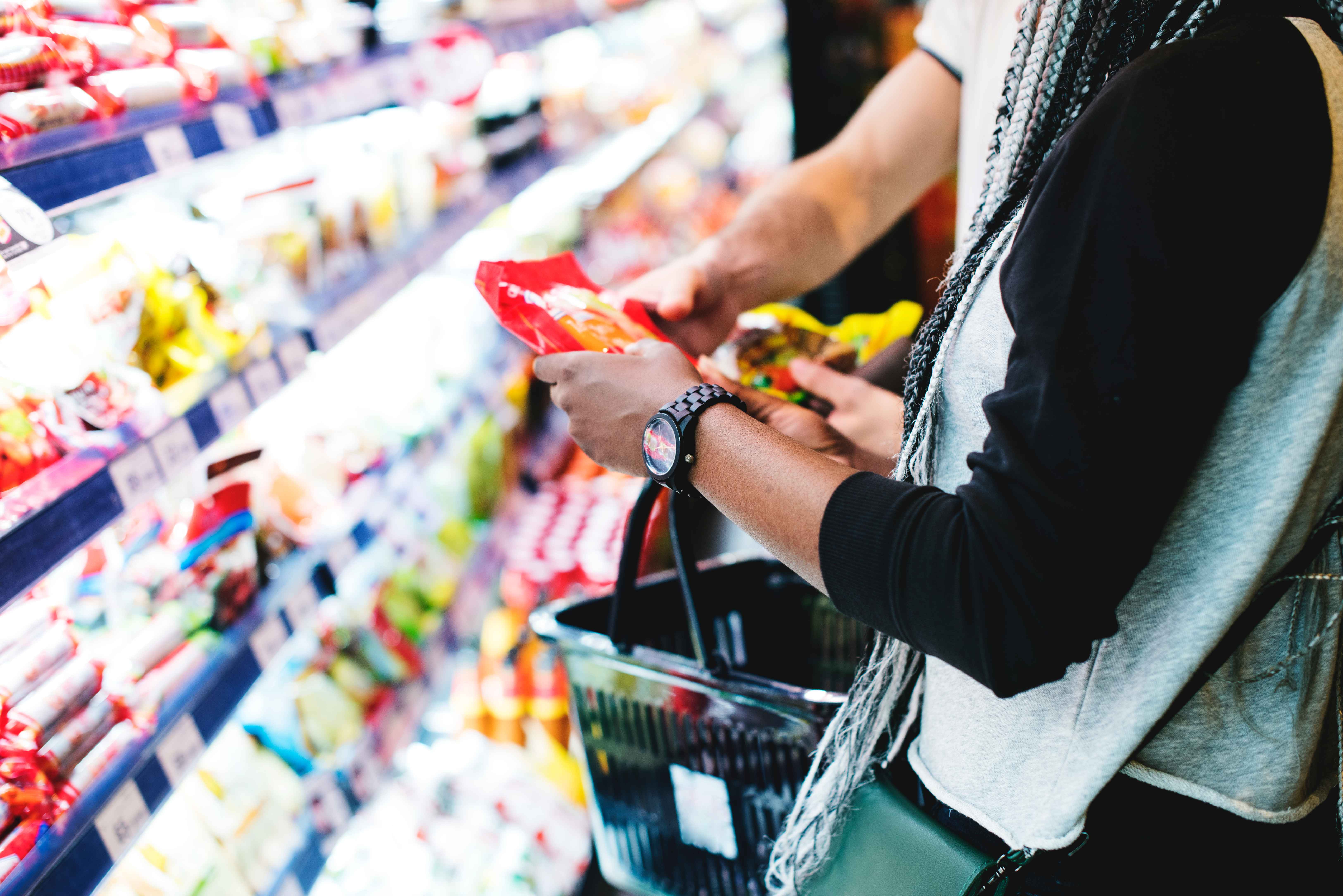
With well-managed outlets and a loyal customer base, many F&B brands are now viewing retail products such as bottled, frozen, or packaged items as a strategic move to expand their brand reach.
Through retail, these products can reach a wider audience and create additional revenue streams that are not solely dependent on in-store visits. However, this shift also brings new demands, particularly in maintaining product consistency and operational readiness.
Therefore, brands need to support their retail expansion with careful planning and systems that are capable of sustaining long-term growth.
Key Takeaways:
- Retail is not just an additional product line. It requires a distinct strategy and operations separate from outlets.
- Strong system and fulfillment readiness are essential to maintain stock, distribution, and product consistency.
- Retail can expand customer touchpoints and extend the consumption lifecycle, increasing overall customer value.
Common Challenges for F&B Brands Entering Retail
Although it may seem like a natural step, entering the retail space often presents unique challenges for F&B brands. This is because outlet operations are primarily designed for immediate consumption, not for supporting large-scale retail distribution. Therefore, brands need to carefully consider several key aspects before making the transition.
1. Outlet Operations Are Not Designed for Retail Needs
Kitchen workflows, inventory management, and recording systems are generally focused on daily ready-to-serve operations. When bottled, frozen, or packaged products are produced consistently, operational complexity increases.
To address this, brands need to start separating retail management from outlet operations, including stock planning, recording, and distribution flow, so that retail activities do not disrupt the main focus of outlet operations.
2. Retail Inventory and Delivery Require a Different Approach
Packaged products require more structured storage, packaging, and distribution processes. Without a clear system, the risk of stock shortages, delivery delays, and inconsistent product quality becomes significantly higher.
3. Retail Expansion Can Distract the Core Team
Teams that were previously focused on outlet operations may become overwhelmed with additional responsibilities, such as managing retail orders and coordinating multi-channel deliveries.
Without proper management, this added workload can shift focus away from core services, ultimately affecting service speed, product consistency, and overall customer experience.
Strategic Reasons Why F&B Brands Enter Retail
For established brands, expanding into retail is not just about adding a new product line, but about evolving the role of the brand itself. Here are several strategic reasons behind this move.
1. Retail Expands Customer Touchpoints
Customer interaction no longer ends at the outlet but continues at home, in the office, or whenever consumers need a more convenient consumption option. The more frequently a brand appears in a customer’s daily routine, the stronger the connection becomes.
2. Retail Reaches Customers Beyond Outlet Limitations
Packaged products can be purchased and consumed anytime, without being restricted by operating hours or physical outlet locations. This opens up broader growth opportunities, especially in areas where the brand does not yet have a physical presence.
3. Retail Increases Customer Lifetime Value
Customers who previously interacted occasionally now have more opportunities to make repeat purchases through retail products. In the long term, retail helps extend the consumption cycle and increase the value of each customer.
In practice, many F&B brands begin their retail expansion with their signature products, such as specialty sauces, frozen versions of best-selling menu items, or bottled signature beverages. This approach helps maintain brand identity while opening new growth channels.
Strategic Considerations Before Entering Retail
Entering the retail market requires a different level of readiness compared to managing outlets. Therefore, before moving forward, F&B brands need to carefully plan their retail expansion and assess whether it aligns with their current business condition.
1. Brand Readiness and Demand Validation
The first step is to ensure brand readiness and market demand. Brands with strong recognition and a loyal customer base are generally in a better position to enter retail.
However, it is still important to validate demand and assess the potential for repeat purchases. This can be done gradually, for example by launching limited products or testing through online channels before expanding into wider distribution.
2. Understanding the Difference Between Outlet and Retail Operations
Outlet operations prioritize speed and immediate consumption. Retail requires a different approach, particularly in production planning, inventory management, and distribution.
Without clear separation, retail activities may burden outlet teams and disrupt core operations. Therefore, retail should be treated as a distinct business model, even if it remains within the same brand ecosystem.
3. Separation of Production, Storage, and Distribution
To ensure consistency, brands need to manage production, storage, and distribution in a more structured way. While production can remain under internal teams or partners, storage and distribution should ideally be handled by systems specifically designed for fulfillment needs.
To support this, brands can utilize fulfillment solutions tailored for multi-channel retail distribution. With the right system in place, businesses can maintain stock availability without overburdening outlet operations.
Meanwhile, systems like ESB remain positioned as the backbone of outlet operations, ensuring daily activities run smoothly without being affected by the complexities of retail.
It Is Time to Evaluate Your Brand’s Readiness
Entering the retail space is not just about how quickly a brand can launch new products, but about how well the business is prepared to support sustainable growth. At this stage, F&B brands should reflect whether retail is truly the next growth driver or if the business still needs to strengthen its foundation.
This evaluation goes beyond product potential. It also involves assessing operational readiness and supporting systems. With a comprehensive understanding, brands can determine the right timing and strategy for retail expansion to drive long-term growth.
*This article is a collaboration between Biteship and ESB.
SHARE