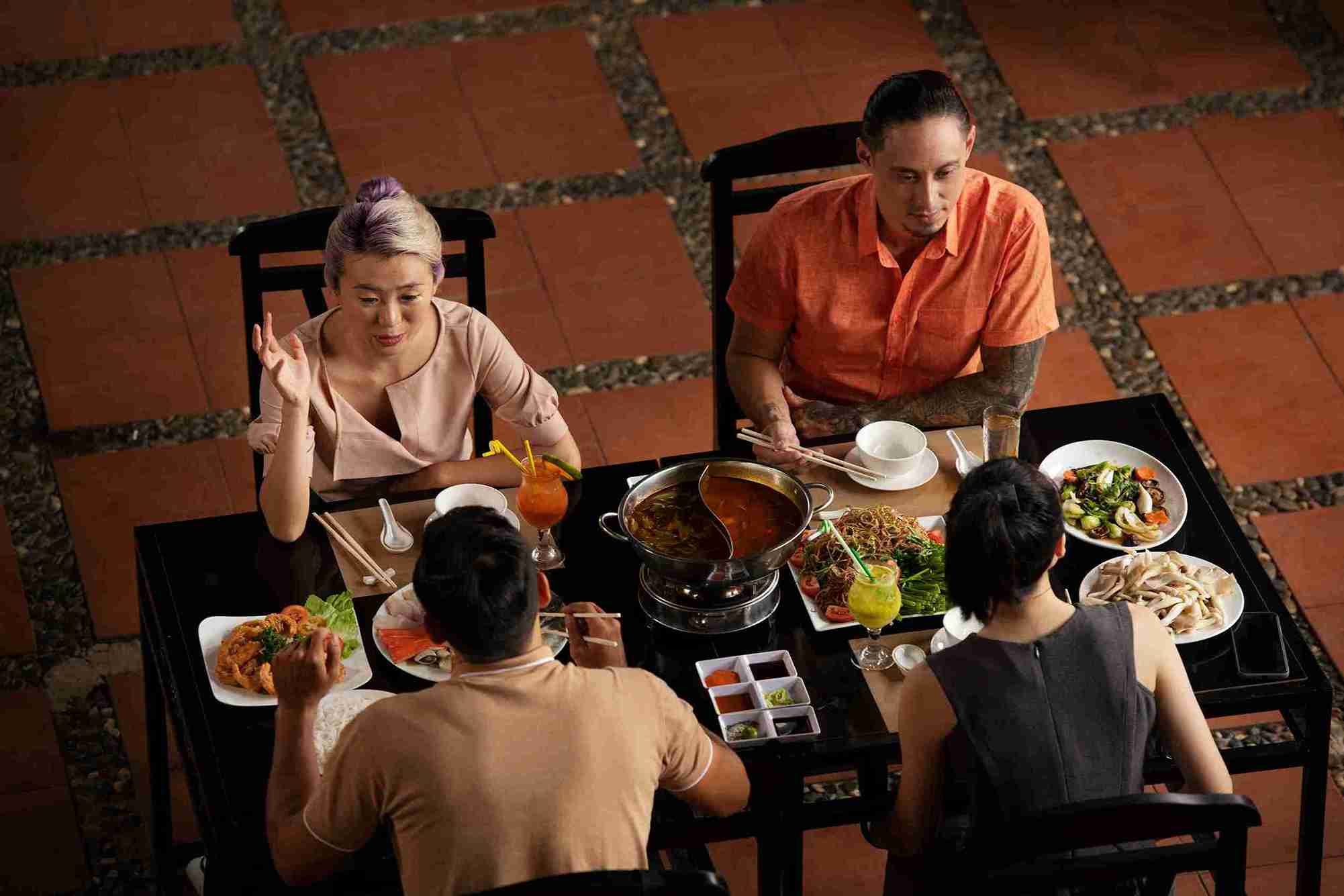
Peak season is an important period in the culinary industry, marked by a significant surge in customer numbers and transaction volumes.
During this phase, restaurants face much higher demand compared to regular days.
Reservation volumes increase, dine-in and delivery orders rise, and customer expectations for speed and service quality become higher.
In practice, this period often coincides with major moments such as Ramadan and Eid, Christmas, New Year, and large-scale national promotional campaigns. During these times, consumer purchasing power tends to increase, and dining out becomes more frequent.
Restaurants that are operationally prepared can enjoy substantial sales growth. On the other hand, without proper preparation, the surge in demand may lead to long queues, stock shortages, and declining customer satisfaction.
Therefore, understanding that peak season is a crucial period is not just a business theory but a real necessity for culinary business owners who aim to maintain sustainable growth.
What Is Peak Season?
In general, peak season is a period when demand for products or services reaches its highest point within a specific cycle of time.
This phase typically occurs during special occasions that trigger a widespread increase in consumption.
In the business world, peak season does not last throughout the year but appears only at certain times with very high demand intensity.
During this period, demand can increase several times compared to normal days. This happens because certain moments encourage people to shop more actively or use specific services.
In various industries, peak season is often associated with religious holidays, year-end celebrations, or national promotional periods.
In the culinary industry, peak season is the time when restaurants experience a significant increase in customer visits, both for dine-in and online orders.
This surge is usually driven by religious celebrations and national holidays that encourage families to gather and dine together. Extended holidays and public leave periods also increase the frequency of eating out.
The year-end holiday season often brings higher customer traffic, especially in tourist cities. Local events or festivals can also contribute to rising restaurant visits.
In addition, large-scale promotional campaigns such as national shopping days further boost transactions, including food consumption.
Peak season is not only about increased revenue. It also serves as a real test of a restaurant’s operational readiness.
Ordering systems, kitchen workflows, inventory management, and team coordination must operate more efficiently to maintain service quality amid the surge in demand.
Read more: Understanding Restaurant Reservations, Their Benefits, and How to Manage Them Effectively
The Difference Between Peak Season, High Season, and Low Season

Source: freepik.com
The term peak season is often considered the same as high season. In reality, the three differ in terms of demand intensity and scale.
Understanding these differences helps restaurants develop more appropriate strategies for each period.
1. Peak Season
Peak season is the period with the highest level of demand within a year and usually occurs only a few times annually. In the culinary business, this phase often appears during Ramadan and Eid, Christmas, or the year-end period.
The surge in transactions during this time is highly significant, requiring extra preparation in terms of raw material inventory, additional workforce, and ordering systems capable of handling large transaction volumes.
2. High Season
High season is a period when demand increases compared to regular days but does not reach the level of peak season. This condition often occurs during extended holidays or school vacation seasons.
Restaurants still experience an increase in customer numbers, but the scale is relatively manageable and can be anticipated with moderate operational adjustments.
3. Low Season
Low season is a period when demand for products or services decreases compared to the normal average.
This situation usually occurs after major holidays or during periods without special events. In the culinary industry, low season requires a different approach, such as strengthening loyalty programs, offering thematic promotions, or introducing menu innovations to maintain transaction volume.
Culinary Business Strategies to Face Peak Season
Since peak season is the period with the highest demand, preparation cannot be done at the last minute. Proper planning helps restaurants maintain operational stability while maximizing profits.
1. Ensure Product Stock Is Secure
The availability of raw materials is the primary foundation when facing a surge in customers. Stock planning should ideally be carried out one to two months before peak season begins.
Sales data from previous peak periods can be used as a reference to estimate demand increases. Strong communication with suppliers helps ensure smooth distribution and reduces the risk of stock shortages.
2. Create Attractive Promotions
Peak season is the right momentum to optimize promotional strategies.
Offers such as family bundling packages, special discounts for online reservations, or cashback for digital payments can increase the average transaction value per customer.
Well-designed promotions help boost revenue without excessively sacrificing profit margins.
3. Stay Active on Social Media
Clear communication helps manage customer expectations during busy periods. Information about promotions, extended operating hours, or online reservation systems should be shared consistently through social media.
Informative content also helps customers plan their visits better, making queues more manageable.
4. Improve Service Quality
A surge in customers increases the risk of order errors and service delays. Evaluating previous peak season experiences can help identify areas that need improvement.
Adding temporary staff during busy hours, organizing clearer task distribution, and streamlining kitchen workflows can help maintain consistent service quality.
5. Use an Efficient Ordering System
Manual systems often slow down processes when transaction volumes increase drastically.
Using a digital ordering system helps speed up service, reduce recording errors, and provide real-time sales reports.
With an integrated system, management can make faster and more accurate decisions based on reliable data.
FAQ About Peak Season
1. What is peak season in the culinary business?
Peak season is the period when customer demand reaches its highest point within a year and is marked by a significant surge in transactions.
2. Does peak season always occur during holidays?
Not always, but it is generally associated with major events such as religious holidays, extended vacations, or national promotional campaigns.
3. How can restaurants prepare for peak season?
Preparation includes planning raw material inventory, developing promotional strategies, ensuring team readiness, and implementing an efficient ordering system.
4. What are the biggest risks during peak season?
Common risks include stock shortages, long queues, and order errors caused by systems that are not ready to handle increased transaction volumes.
Read more: Avoid Business Losses: Understand Surcharge and How to Manage It Effectively!
Conclusion
Peak season is a strategic momentum that can significantly increase restaurant revenue.
However, this opportunity can only be maximized through structured preparation, ranging from inventory management and promotional strategies to team readiness and optimized ordering systems.
Restaurants that can maintain service quality amid rising demand not only gain financial benefits but also build long-term customer loyalty.
To support restaurant performance during peak season, using the right ordering system is essential.
ESB Order is an online food ordering system proven to increase transactions by up to 60% through AI-based recommendations.
With a low commission of Rp1,000 per bill, integration with various digital payment methods, voucher support, membership and loyalty programs, and a 40% faster ordering process compared to manual systems, ESB Order helps restaurants remain efficient and ready to handle customer surges whenever peak season arrives.
Contact the ESB team now and take advantage of the ESB Order solution for your culinary business.


