
In the digital era, the term merchant is appearing more and more frequently, especially in the world of business and online transactions.
Many people think that merchants only refer to online stores in marketplaces, but the scope is actually broader.
Merchants can be online businesses or physical stores, with various payment systems used.
So, what exactly is a merchant, how does it work, and what are its advantages? Let's find out more in this article!
What is a Merchant?
Have you ever heard the term merchant but still don't know what it means? A merchant is a person who sells goods or services, either through a physical store or online.
The difference with regular stores is that merchants usually accept digital payments or collaborate with banks for transaction systems.
Merchant payment means the payment method used by the merchant, for example via debit card, credit card, or e-wallet.
Merchants are divided into two types: individual merchants and legal entity merchants. Individual merchants are managed by individuals without having to meet the requirements of a legal entity.
Meanwhile, merchants with legal entities have a more structured system and regulations. Once registered, merchants with legal entities will receive an official seller ID.
If you come across the term note for the merchant, it usually refers to a special note or instruction for the merchant regarding the transaction or service provided.
Understanding the role of merchants and their payment systems can help businesses run more smoothly and improve the customer experience.
Read also:Payment: Understand the Types and Payment Systems You Need to Know
How Merchants Work
Source: freepik.com
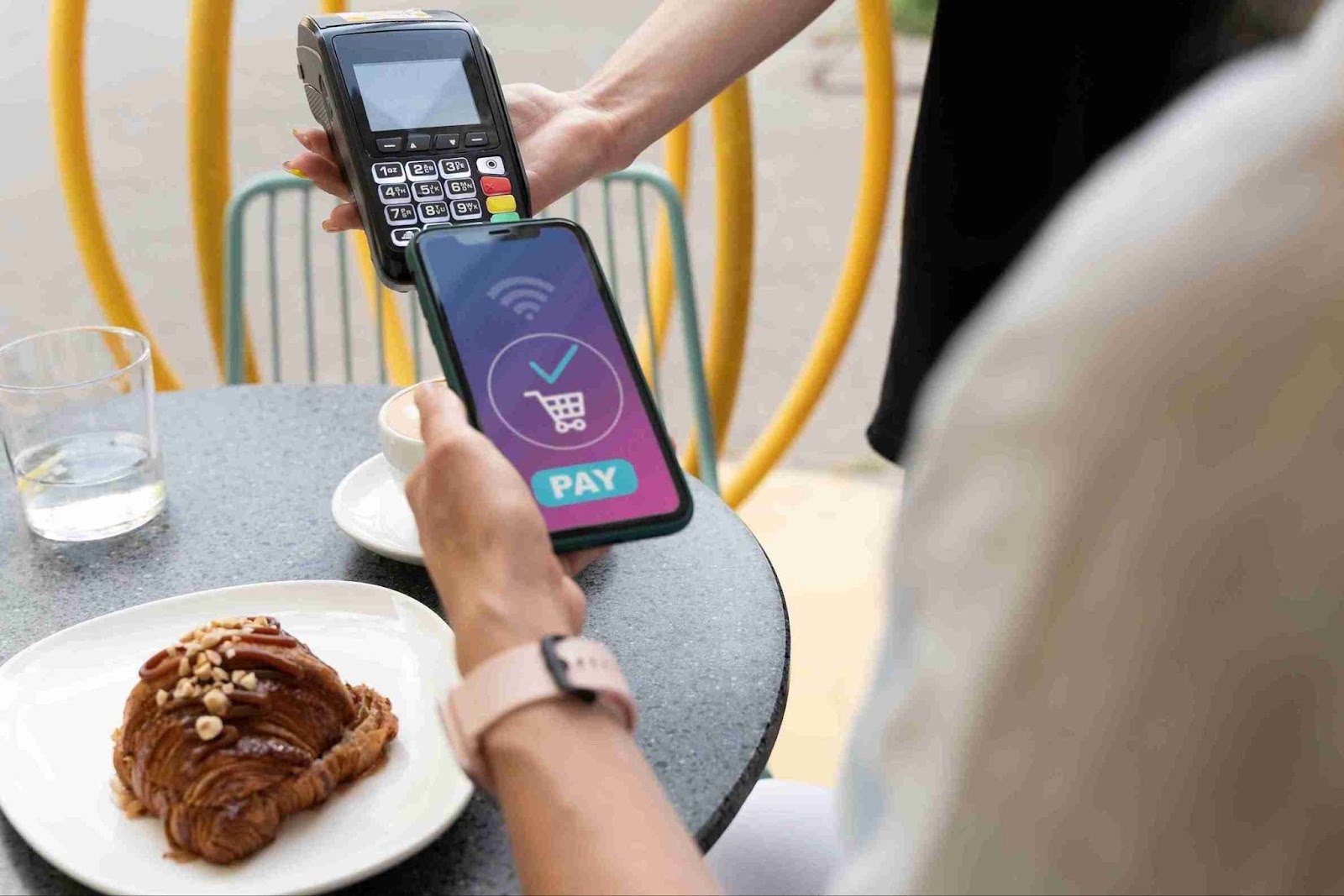
Now that you understand what a merchant is, it's time to learn how merchants operate their businesses. Generally, merchants operate like a regular store, selling products and serving customers.
However, merchants also adhere to the systems and regulations established by the bank or partner platform. By becoming a merchant, business owners can expand their market reach and facilitate transactions through digital payment methods.
The following are the stages in how merchants work:
1. Merchant Registration
The first step is to register your business with a partner platform or merchant service bank.
This process requires identity data, a business license, and other supporting information. Once the registration is approved, the merchant's data will be stored in the system and they will be assigned an identification ID.
As an official merchant, business owners agree to the applicable terms and conditions, including transaction policies, payment methods, and service usage rules.
By joining as a merchant, stores can accept non-cash payments such as e-wallets, credit cards, or other digital payment methods.
2. Opening and Managing an Online Store
Once registered, merchants can start building online stores to market their products digitally. Online stores serve as virtual storefronts, allowing customers to view products, obtain pricing information, and make transactions anytime, anywhere.
Merchants can also offer various attractive promotions, such as discounts and cashback, to attract more customers. Furthermore, the use of digital payment systems like e-money and QRIS makes transactions even easier for customers.
To improve operational efficiency, merchants can use business applications with comprehensive features, such as transaction recording, customer management, financial reporting, and inventory management. With an integrated system, merchants can manage their businesses more easily and effectively.
3. Transaction and Delivery Process
When a customer makes a purchase, the merchant will process the order according to the agreement. This includes the type of item, the quantity ordered, and the shipping costs agreed upon by both parties.
Once payment is confirmed, the merchant immediately packages and ships the order to the customer using the selected shipping service.
Transparency in this process is crucial to ensure customers feel safe and secure during their transactions.
Merchants are also responsible for ensuring that the products shipped match the description and are of good quality.
If problems arise, such as damaged or unsuitable products, merchants must provide responsive customer service to ensure customer satisfaction.
The Benefits of Being a Merchant
Becoming a merchant opens up many opportunities and benefits that ordinary traders cannot get.
With a modern payment system and a wider market network, businesses can grow faster and more securely.
Here are some of the advantages you can get as a merchant:
1. Accept Payments by Credit Card and E-Money
Today, customers prefer cashless transactions. Accepting payments using credit cards, debit cards, and e-money makes transactions more convenient and secure.
This also increases customer confidence as they can choose the payment method according to their needs.
2. Increase Sales Volume
Ease of payment makes more customers interested in shopping.
Customers who use credit cards are usually more flexible in their transactions, so their chances of purchasing larger quantities also increase.
With a variety of payment systems, business turnover can increase significantly.
3. Improve Customer Satisfaction
Providing flexible payment options makes customers feel valued and comfortable while shopping. A better shopping experience will increase customer loyalty and encourage them to return.
4. Easier and More Accurate Financial Recording
Digital transactions provide automatic records that make it easier to track income and expenses.
With transaction data stored systematically, financial management and business analysis can be carried out more efficiently.
Recording errors can also be minimized.
5. Expanding Market Reach
By accepting digital payments, businesses are not limited to just local customers.
Customers from various cities and even countries can buy the products or services you offer.
This opens up the opportunity to expand the business to a wider market without having to open physical stores in multiple locations.
6. Safer and More Efficient Transactions
Digital payments are equipped with security systems such as data encryption and authentication, so the risk of fraud can be reduced.
In addition, transactions take place faster, avoiding long queues and speeding up the customer service process.
7. Improve Business Image and Credibility
Businesses that provide a variety of payment methods tend to be more trusted by customers.
By accepting digital payments, businesses appear more professional and modern, enhancing their reputation in the eyes of customers and business partners.
Merchant Category
Merchants come in various categories depending on their business model. Some retail merchants sell physical products like fashion, electronics, or household necessities. Others offer services like beauty treatments, consulting, and even travel.
On the other hand, digital merchants sell non-physical products such as app subscriptions, online courses, or streaming services. Within the marketplace, merchants are also divided into individual sellers, resellers, and official stores of specific brands.
One rapidly growing category is culinary merchants. Merchants in this sector utilize digital systems to speed up transactions and improve operational efficiency.
Advantages and Disadvantages of Each Merchant Category
Each merchant category has its own advantages and challenges. Retail merchants have tangible products that are easy for customers to understand, but require efficient inventory management.
Service merchants are more flexible because they don't require inventory, but service quality is a key determining factor.
Digital merchants have broad market opportunities because they aren't limited by location, although competition tends to be high.
Meanwhile, culinary merchants have stable demand, but their operations are more complex due to the raw materials and fast service.
Marketplace merchants offer broad market access, but must follow applicable platform rules.
How Merchants Work
The merchant process begins with the registration process with a payment service provider or sales platform. Once registered, merchants gain access to accept various digital payment methods.
When a customer makes a transaction, the system will verify the payment. Once the transaction is successful, funds are transferred to the merchant's account according to applicable regulations.
This process allows transactions to run faster and more efficiently, while providing convenience for customers.
Merchant Goals
A merchant's primary goal is to facilitate transactions between sellers and customers. Merchants also play a role in expanding market reach and increasing sales opportunities.
By providing modern payment methods, merchants can provide a more convenient shopping experience while helping their businesses grow more efficiently.
What Does the Merchant Offer?
Merchants don't just offer products or services; they also facilitate transactions.
Through digital payment systems, customers can make purchases more quickly and securely. Merchants also offer additional services such as promotions, discounts, or customer loyalty systems.
Types of Merchants in the Marketplace
In the marketplace, merchants come in various forms. There are individual merchants who operate their own businesses. There are also official stores that represent official brands.
In addition, there are resellers who resell products from other parties as well as dropshippers who sell without keeping stock of goods.
Each type of merchant has an important role in building a digital commerce ecosystem.
Merchants in the Culinary Industry
In the culinary industry, merchants have a strategic role in connecting products with customers.
Food merchants are leveraging technology to speed up service and maintain operational efficiency. With the support of digital systems, transaction management, ingredient inventory, and sales reporting are streamlined.
This helps culinary businesses provide a better service experience while increasing competitiveness in the market.
Read also:What Are Payment Gateways and Payment Aggregators? Check Out the Difference!
Merchant FAQs
1. Is the merchant only applicable to online businesses?
No. Merchants can be online businesses or physical stores as long as they accept digital payment systems.
2. Can MSMEs become merchants?
Yes. MSMEs are actually highly encouraged to become merchants so they can accept cashless payments and reach more customers.
3. What is the main goal of becoming a merchant?
The main goal is to simplify transactions, increase sales, and provide a more convenient payment experience for customers.
4. Are merchants only on the marketplace?
No. Merchants also exist in various sectors such as retail, services, and the culinary industry.
Conclusion
Merchant means a seller who plays an important role in the modern transaction system, especially in digital payments.
By understanding how it works and its benefits, businesses can grow more efficiently and reach more customers.
Simplify the management of your culinary business with solutions from ESB such as ESB POS And ESB POSLite.
ESB POS is an integrated cashier application specifically for culinary businesses with complete features such as menu management, promotions, and table management.
For MSMEs ,ESB POSLite offers a complete cash register system with no monthly fees, with simple inventory and bookkeeping features. Consult your business Now!


