
Have you ever seen two restaurants that both sell delicious food, but their business results are very different?
One factor that is often overlooked is the choice of business concept from the start.
Well, for this reason, understanding the types of restaurants is an important step before spending capital, renting a place, or compiling a menu.
Many novice business owners focus too much on the product, even though a restaurant concept that fits the target market and budget is the determining factor in long-term success.
Interestingly, when someone searches for information about a type of restaurant, they often only look at the appearance or the menu being sold.
In fact, each concept has different capital requirements, operational requirements, number of employees, and marketing strategies.
This is the reason why questions such as "mention the type of restaurant" often arise among aspiring culinary entrepreneurs who want to start a business with more focus.
If you're planning to open a culinary business or want to expand an existing one, understanding the various types of restaurants can help reduce the risk of making investment mistakes from the start.
Why is Choosing a Restaurant Concept Important?
Imagine two people opening a culinary business at the same time. The first person immediately rents a large space because they're following the trend. The second person takes the time to research the type of restaurant that best suits their budget and target market.
A few months later, the second restaurant grew even faster. The reason was simple: the right concept made operations more efficient and more accessible to customers.
Therefore, before discussing further about the types of restaurants, it is important to understand that the business concept is the foundation that will influence the entire journey of your culinary business.
Fast Food Restaurants, an Option for High Sales Volume
When discussing restaurant types, the fast food concept is almost always one of the most well-known. This type of restaurant focuses on speed of service.
The menu offered is typically simple and easy to produce consistently. The target market is broad, ranging from students to office workers.
The main advantage of this concept is its fast customer turnover. However, the fast food concept also requires a streamlined operational system to ensure smooth service during peak hours.
Casual Dining That Many Families Love
Having understood the concept of fast food, now we move on to a concept that offers a more relaxed dining experience. Casual dining has become one of the most popular restaurant types in Indonesia.
This concept typically offers a comfortable atmosphere with a wider variety of menu options. Food prices are also relatively affordable for families.
Many successful culinary brands use the casual dining model because it is able to reach various customer segments.
If your capital is at a medium level, this concept is worth considering when studying the types of restaurants.
Read Also:What is a Boutique Hotel and How is it Different from a Regular Hotel?
Fine Dining for a Premium Sensation
On the other hand, there are restaurants that sell experiences, not just food. This concept is known as fine dining. Fine dining includes restaurants that offer premium service, exclusive food presentation, and an elegant atmosphere.
The target market is typically the upper-middle class, and the capital required is also greater than other concepts.
Therefore, before choosing this concept, you need to ensure that the location and target market are supportive.
An Attractive Buffet Restaurant for Large Events
After discussing fine dining, there's another concept that's quite interesting. Buffet restaurants offer an all-you-can-eat system for a set price. Customers can choose from a variety of menu items.
This concept is often used for family events, company gatherings, and special celebrations. Among restaurant types, buffets are appealing because they offer a different dining experience than a regular restaurant.
Cafes and Coffee Shops That Continue to Grow
Changes in people's lifestyles have also influenced the development of the culinary business. Many people are now looking for places to work, study, or simply hang out with friends.
This situation has made cafes and coffee shops one of the fastest-growing types of restaurants. The advantage of this concept lies in its flexibility. You can start from a small to medium scale.
Furthermore, customers typically spend more time in their establishments, increasing the potential for additional sales. Therefore, when discussing restaurant types, cafes are always an attractive option to consider.
Food Court and Tenant Concept
For business people with limited capital, a food court can be a safer choice.
This concept allows you to open a business without having to rent your own building. In the restaurant category, the food court tenant model is often chosen by start-up entrepreneurs due to its lower initial costs.
Furthermore, a steady flow of customers is usually readily available due to the location being in a shopping center or commercial area. Business risks tend to be more manageable compared to opening a standalone restaurant.
Cloud Kitchens Are on the Rise

Sumber: Istockphoto
As delivery services grow, a new concept is emerging that is gaining popularity. Cloud kitchens, or ghost kitchens, are a type of modern restaurant that focuses on online sales.
This concept doesn't require a dining area for customers. The primary focus is on food production and delivery. The biggest advantage of this model is lower operational costs.
A Long-Term Stable Family Restaurant
If your primary target market is families, a family restaurant could be an attractive option. This concept typically offers a menu suitable for all ages.
The restaurant's atmosphere is also designed to be family-friendly. Among restaurant types, the family restaurant concept is known for its loyal customer base, often used for communal dining.
Even though the competition is quite high, the growth opportunities remain promising if the location and service support it.
Read Also:Food Pricing Strategy for Restaurant Businesses
Thematic Restaurants That Create a Unique Sensation
As competition intensifies, many businesses are trying to create unique experiences. This is where theme restaurants are emerging. This concept combines food with a specific theme.
For example, a film theme, culture, history, or unique decor. When discussing restaurant types, themed restaurants have the advantage of creating visual appeal and a compelling customer experience.
Especially in the era of social media, unique concepts often gain attention more easily.
How to Determine the Type of Restaurant That Fits Your Budget?
After understanding the various concepts, the next question is how to choose the most appropriate one. The first step is understanding your financial capabilities.
Don't force a big concept if capital is limited. Instead, choose a model that allows for gradual business growth.
For example, if funds are still limited, a food court or cloud kitchen could be a more realistic first step than fine dining.
Often Overlooked Location Factors
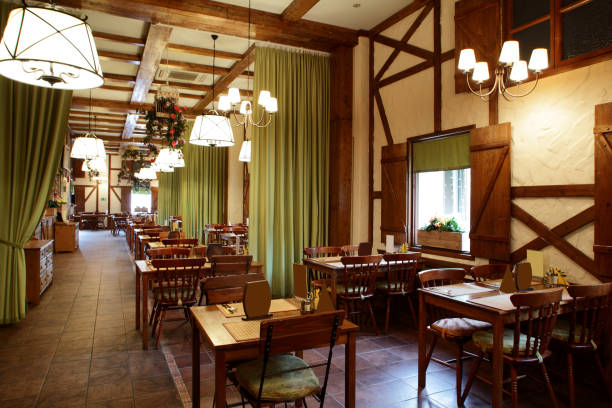
Sumber: Istockphoto
Besides budget, location is also a crucial factor. A concept that's successful in a city center won't necessarily work in a residential area. And vice versa. Therefore, when researching restaurant types, always consider the characteristics of the surrounding area.
Campus areas are typically well-suited for fast food or cafes. Office areas are ideal for casual dining. Meanwhile, tourist areas might be more ideal for themed restaurants or fine dining.
The Importance of Understanding Target Customers
A good restaurant concept must be tailored to the needs of its customers. If your target market is young families, then the menu, prices, and atmosphere must support those needs.
If your target market is office workers, speed of service is a priority. Now, when someone asks what type of restaurant is the most profitable, the answer actually depends on who your target customers are.
Mistakes That Beginner Businesspeople Often Make
Many culinary businesses fail not because the food isn't delicious. The problem often arises from an inappropriate concept. Some open premium restaurants in areas with low purchasing power.
Some people also choose a large-scale concept even though operating capital is limited. This mistake can be avoided if you understand the different types of restaurants and their characteristics from the start.
FAQ About Restaurant Types
1. What are the common types of restaurants you find?
Some popular restaurant types include fine dining, casual dining, fast food, cafes, buffet restaurants, family restaurants, and food trucks. Each type has a different concept, target market, and operational needs.
2. How to choose a restaurant concept that fits your budget?
Start by calculating your available capital and target market. Simple concepts typically require a lower initial investment than premium restaurants.
3. Can a restaurant with a small budget still be successful?
Of course you can. Many culinary businesses have evolved from simple concepts like small cafes, restaurants, or food trucks that focus on product quality and service.
4. What factors need to be considered before choosing a restaurant concept?
Consider location, capital, target customers, operational capacity, and the type of menu you'll offer. Matching your concept to market needs is key to a successful culinary business.
Conclusion
Understanding restaurant types helps you choose a business model that fits your target market.
However, a great concept needs efficient operational support to keep growing. In the modern era, manual restaurant management is simply outdated.
You need a smart and integrated operational system. As the ultimate solution, ESB POS is here as the best F&B point-of-sale application to keep your restaurant running smoothly.
ESB POS makes it easy to handle table management, process digital transactions, and monitor stock and sales accurately. This system is proven to be highly stable and equipped with automatic detection to prevent fraud and financial leaks.
Meanwhile, for those running a dine-in service concept, the ESB Casual Dine-In POS System is the perfect choice.
This system simplifies your entire workflow from the front-of-house to the kitchen. Order coordination runs automatically with minimal errors, ensuring your customers enjoy a much better dining experience.
Combining a solid business concept with cutting-edge technology is the key to success in the F&B industry. Boost your restaurant's efficiency and enjoy seamless operations with ESB.
Get in touch with the ESB Team today and let's discuss what your F&B business needs!


