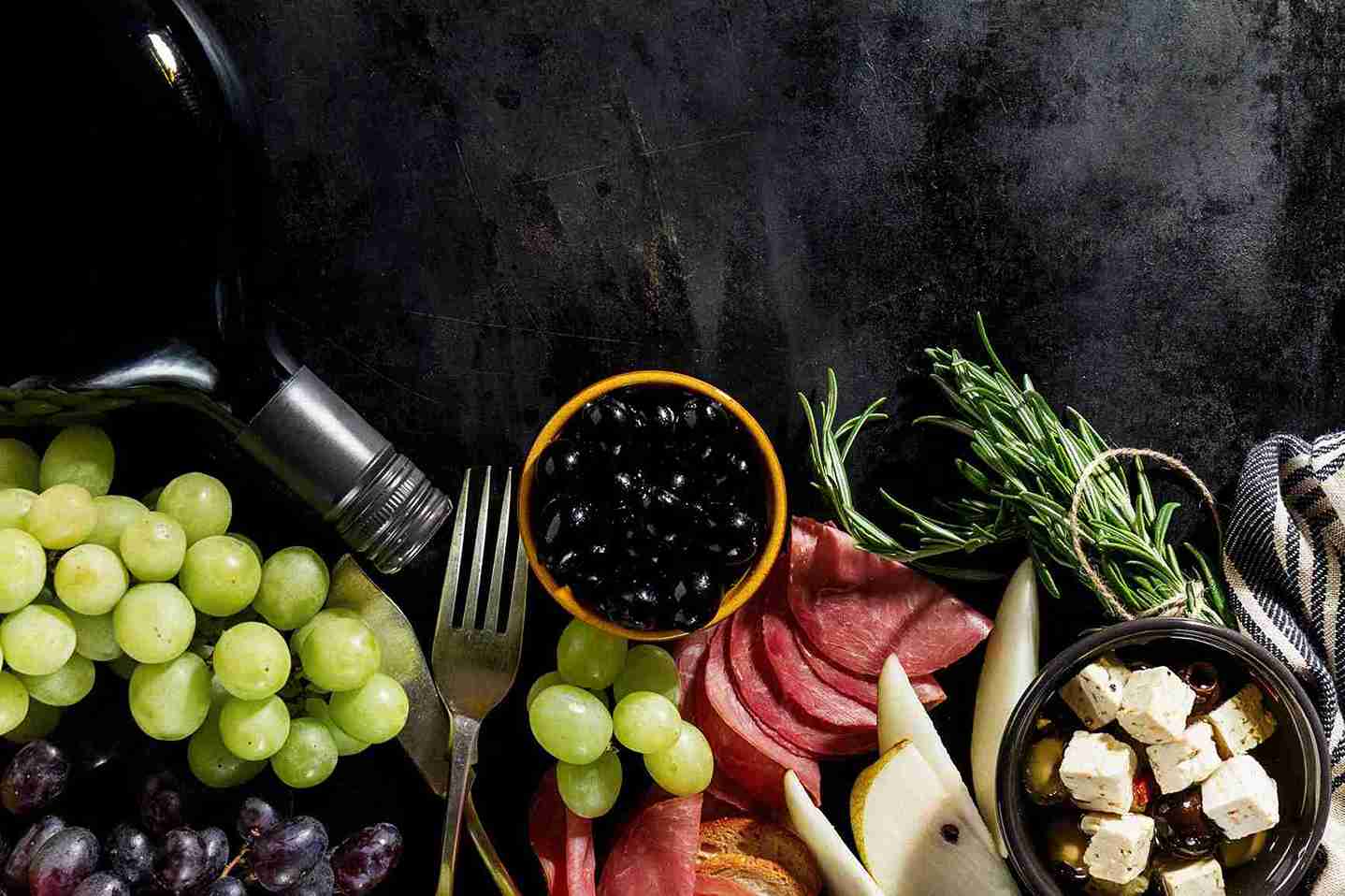
Today’s culinary trend is no longer just about taste.
Customers are not only seeking delicious flavors but also narrative, balance, and a more personal dining experience where every element complements one another.
One approach increasingly adopted by premium restaurants and creative cafés is food pairing — the art of combining food and beverages to create a unique and memorable harmony of flavors.
Beyond its aesthetic appeal, food pairing has evolved into a strategic tool for boosting restaurant profits and customer engagement.
This article explores the concept of food pairing, its business relevance, and practical inspiration you can apply.
What Is Food Pairing?
Food pairing is a method of combining food or beverages with other elements to achieve balance and harmony in taste.
The goal is simple: to deliver a richer and more enjoyable dining experience.
This concept isn’t just a fleeting trend—it’s rooted in a deep understanding of flavor profiles, texture, and aroma.
By blending the right elements, diners can experience new layers of flavor that they may never have imagined before.
Food pairing can be applied in many contexts—from pairing coffee with desserts to tea with traditional snacks.
Why It Matters for the Culinary Business
This approach goes beyond culinary artistry—it’s also a business strategy.
According to a 2023 study from Oxford Crossmodal Research Laboratory, customers who experience “flavor harmony” tend to spend 30–40% more per visit compared to those enjoying a standard dining experience.
In other words, food pairing is not just a kitchen trend—it’s a proven upselling mechanism that enhances both satisfaction and sales.
Read more: Confused about making a menu? This is the Meaning of Maincourse and How to Arrange It!
Inspiring Food Pairing Ideas to Try

Source: freepik.com
Food pairing can serve as a creative exploration tool for chefs and business owners.
Here are some popular and effective combinations to consider:
1. Coffee and Dessert
The bitterness of coffee often pairs perfectly with the sweetness of dessert.
A strong espresso complements rich chocolate brownies, while cappuccino blends smoothly with tiramisu.
These combinations balance contrasting flavors and create a relaxing indulgent moment.
2. Tea and Light Snacks
Green tea’s freshness matches beautifully with sushi or dumplings, while black tea pairs well with biscuits or cookies.
These pairings are culturally rooted across Asia and Europe.
3. Cheese and Fruit
Cheese has a complex flavor profile. When paired with fresh fruit, its salty and umami notes blend elegantly with natural sweetness.
For example, brie with red grapes or cheddar with green apples.
4. Chocolate and Fruit
Dark chocolate pairs delightfully with strawberries or oranges, balancing bitterness, sweetness, and acidity.
That’s why chocolate-fruit desserts remain a restaurant favorite.
5. Wine and Food Pairing
Wine pairing remains one of the most famous approaches to food pairing. Here are some ideas you can try:
1) Red Wine and Steak
High-tannin red wine pairs perfectly with fatty red meats.
2) White Wine and Seafood
Crisp white wine works wonderfully with shrimp, shellfish, or grilled fish.
3) Rosé Wine and Salad
Light rosé complements fresh salads or vegetable-based dishes.
4) Dessert Wine and Blue Cheese
Sweet dessert wine balances the sharpness of blue cheese.
Wine pairing not only adds sophistication but also raises a restaurant’s perceived value, turning an ordinary dinner into a premium culinary experience.
Case Study: Food Pairing as a Restaurant Differentiation Strategy
Imagine two restaurants with nearly identical menus: both serve steak, pasta, and coffee.
However, Restaurant A implements a structured food pairing strategy, while Restaurant B does not.
Real-life examples:
- An artisanal café in South Jakarta created a menu item called “Cappuccino x Tiramisu Harmony” priced at IDR 65,000. This pairing generated 27% higher margins compared to separate items.
- A fine-dining restaurant in Bali developed a data-driven wine pairing menu. Within three months, pairing revenue increased by 48%, and repeat customer rate rose 22%.
Integrating Food Pairing with Data & AI

Source: OLIN by ESB
Today, food pairing no longer relies solely on a chef’s intuition.
Modern restaurants are leveraging AI-based technology to analyze ordering patterns, customer preferences, and flavor composition.
Through AI tools, restaurants can:
- Analyze menus to identify pairings with the highest upselling potential.
- Track customer behavior to discover their favorite combinations.
- Monitor performance in real time to measure pairing margins automatically.
With these insights, restaurants can generate pairing recommendations automatically within POS systems or online ordering apps—boosting transaction value without adding operational strain.
FAQ: Common Questions About Food Pairing
1. What are the benefits of food pairing for restaurants?
Food pairing enhances customer satisfaction, creates unique dining experiences, and encourages the sale of specific menu items.
2. Does food pairing always have to be balanced?
Not necessarily. Some pairings are deliberately contrasting, like salty and sweet, to create pleasant surprises for the palate.
3. How do you determine the right menu pairing?
Study the flavor, texture, and aroma of the food or drink you want to pair. Experimentation is the key.
Read more: Why Test Food Is a Mandatory Process Before Starting a Culinary Business?
Conclusion
Food pairing is not just about balancing flavors—it’s a data-informed business strategy that helps restaurants boost profit, customer loyalty, and brand value.
From coffee and desserts to wine and food pairing, each combination adds value for customers while opening greater business opportunities.
With real-time analytics powered by OLIN by ESB, the pairing concept can be transformed into a measurable and scalable upselling strategy.
Food pairing opens new opportunities for menu innovation—from richer sensory experiences to digital transformation in restaurant management.
Contact the ESB Team for a free consultation and discover how OLIN by ESB can help your restaurant craft smarter, more efficient, and more profitable dining experiences.


