Have you ever seen a fancy menu at a fine-dining restaurant and found foie gras as one of the featured dishes? Many culinary entrepreneurs are starting to wonder why foie gras always appears as a symbol of luxury in high-end restaurants.
This is where an interesting opinion emerges: understanding foie gras is not just about knowing the ingredients, but also understanding how a dish can create a premium image in the culinary business.
When you start looking at a menu not just as a list of dishes, but as an experience, foie gras becomes a prime example of how storytelling and positioning work in the world of gastronomy.
What is Foie Gras?
Literally, foie gras comes from the French word for "fatty liver." This dish isn't just any chicken or beef liver you'd find in the market, though.
Well, this is the liver of a duck or goose that has undergone a special fattening process. The result? A food ingredient with a buttery-soft texture and a rich, rich flavor.
Many people who try it for the first time may be surprised by the "melting" sensation in their mouth. In the international culinary world, foie gras is a status statement.
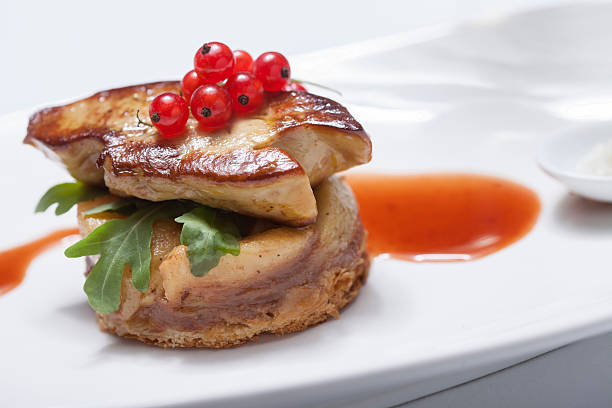
High-end restaurants typically serve it pan-seared or as a pâté (a smooth paste) eaten with warm brioche bread.
Read Also:A Complete Explanation of Fine Dining: Menu and Differences from Casual Dining
The Origins of Foie Gras in European Culinary History

Sumber: istockphotos
Despite its French name, the history of foie gras doesn't actually begin there. The tradition of fattening this bird dates back to Ancient Egypt, around 2500 BC.
The Egyptians noticed that migratory birds would eat a lot to store fat in their livers as an energy reserve before long flights.
This technique then spread to Greece and Rome and eventually reached France. It was in the hands of French chefs that foie gras was refined to become the gold standard of fine cuisine.
France has officially become the world's largest producer and consumer. So, when you eat this dish, you're essentially experiencing a long history of human civilization, packaged in a modern way.
Why Foie Gras Is Considered a Premium Dish
You might be wondering, "Why is it so expensive?" The answer lies in the highly detailed and time-consuming production process.
Producing high-quality foie gras requires special skills in caring for livestock so that the liver produced has the right fat content, does not break down when cooked, and has a beautiful color.
Furthermore, its rarity is also a determining factor. Not all duck breeds can produce livers that meet Michelin-starred standards. This scarcity contributes to consistently high demand while supply is limited.
In the eyes of culinary enthusiasts, serving foie gras on the dining table is the best way to demonstrate a restaurant's dedication to providing an unforgettable dining experience for customers.
Read Also:Here are the Types of Restaurants and Their Characteristics, So You Don't Get the Wrong Concept!
Texture, Flavor, and Character of Foie Gras

Sumber: istockphotos
Let's talk about taste, because that's where the magic of foie gras lies. Unlike regular liver, which tends to have an earthy or bitter aroma, this premium liver has a very creamy, savory, and slightly sweet character.
The texture is so smooth, it barely needs chewing, as it melts as soon as it touches your tongue. Another unique characteristic is its ability to absorb flavors.
Chefs typically pair it with something sour or sweet, such as a berry sauce or wine, to balance the intense flavor of the fat. Because of its dominant flavor, foie gras portions are usually small, but they're just enough to provide a flavorful, addictive treat.
Tips & Tricks for Managing a Premium Menu in Your Restaurant
Having a fancy item like foie gras on the menu is great, but if it's not managed properly, it can actually lead to losses. Because this ingredient is expensive, you need to be very meticulous in monitoring stock and orders.
Don't let any ingredients go to waste due to misrecording or messy kitchen management. For culinary business owners looking to scale, technology integration is key.
Managing a premium menu requires a high level of precision, from ingredient costing to daily sales reports. With a streamlined system, you won't have to worry about keeping expensive ingredients in stock.
The Role of Foie Gras in Restaurant Branding
Interestingly, foie gras' premium status isn't just about price. It's also connected to narratives, traditions, and expectations. When restaurants serve foie gras, they're presenting a long culinary story.
In practice, foie gras also serves as a branding tool. Restaurants serving foie gras often want to demonstrate a commitment to quality, culinary expertise, and an exclusive experience.
However, simply offering a premium menu isn't enough. The customer experience is still influenced by:
- Service
- Transaction speed
- Ease of ordering
Imagine a customer enjoying foie gras and then experiencing a slow checkout process. The overall experience can feel degraded. Therefore, efficient operations are a crucial part of a premium experience.
ImportanceSystem
This is where technology comes into play. ESB offers two flagship solutions for culinary businesses: ESB POSLite and ESB POS, designed to improve operational efficiency and customer experience.
With ESB POSLite, you can enjoy a cashier app integrated with delivery services like GrabFood and GoFood. This system continues to work even when the internet is unstable because data is stored locally before synchronization.
Features like table setup, sales reports, and inventory help you manage your business more efficiently. Meanwhile, ESB POS offers even more comprehensive features with Order Management System integration.
You can efficiently manage orders from multiple channels. Powered by AI, this system helps you monitor multiple branches from a single platform and allows you to build an online restaurant through ESB Order, which has the potential to increase orders by up to 13.5%.
Foie Gras FAQs
1. What is foie gras?
Foie gras is a premium delicacy made from specially processed duck or goose liver. It has a soft texture and a rich, savory flavor.
2. Why is foie gras considered a luxury food?
Because the production process is quite complex and requires special techniques, foie gras is usually served in fine dining restaurants.
3. How is foie gras usually served?
Foie gras is often served pan-seared, pâté, or terrine. It's usually paired with a sweet or fruit sauce to balance the flavors.
4. Is foie gras suitable for all customers?
Not always. Due to its distinct flavor and unique texture, foie gras is more suited to customers seeking a premium culinary experience.
Cover
Understanding foie gras helps you see how a dish can build a premium perception. From history to taste, foie gras demonstrates that food can be part of storytelling.
But the customer experience still depends on smooth operations. With ESB POS Lite And ESB POS, you can ensure the customer experience remains seamless from start to finish.
Let’s consult your culinary business needs and contact the ESB team today!


