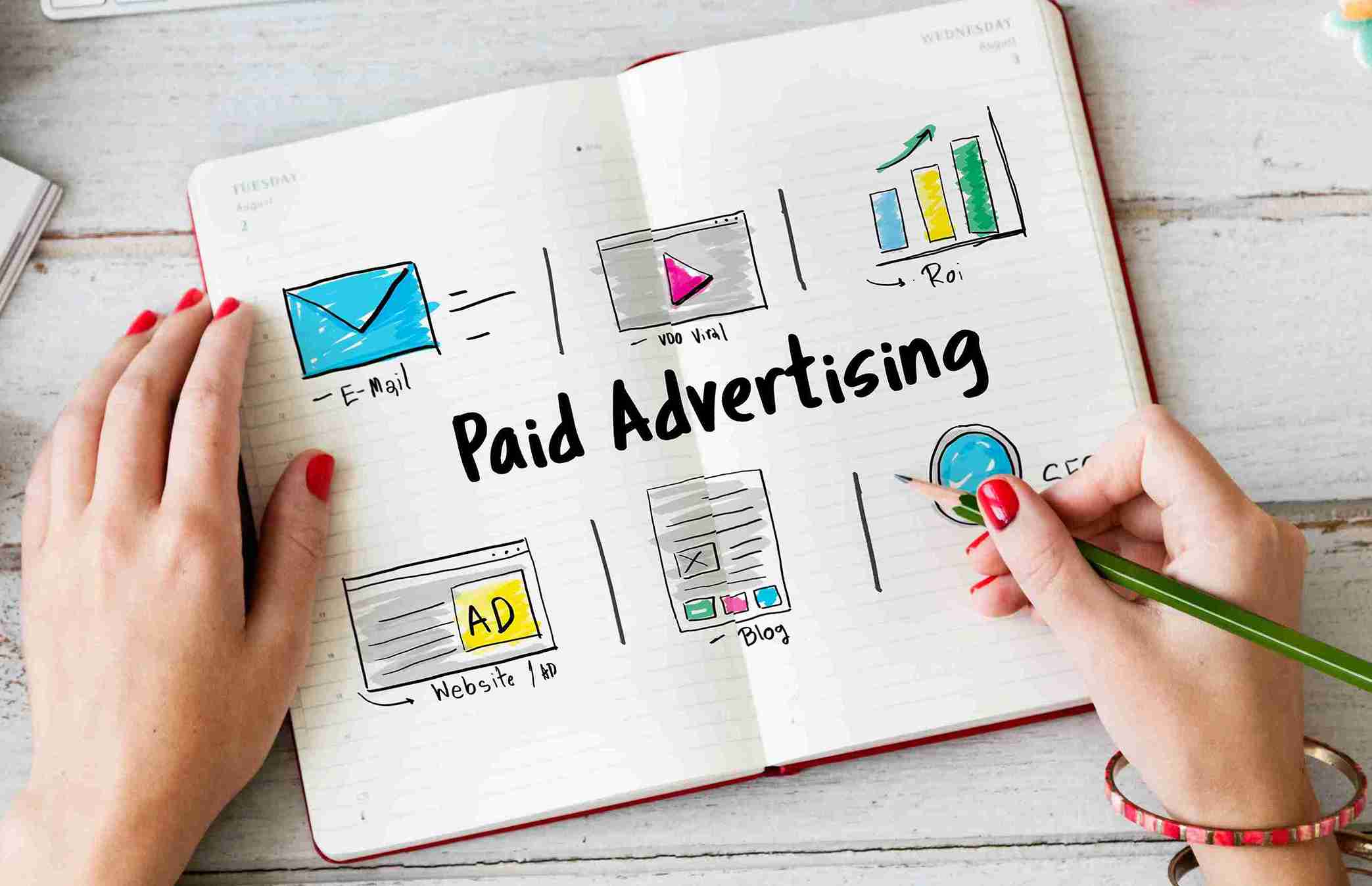
Advertising is one of the most effective marketing strategies to attract customer attention and increase sales.
With increasingly fierce business competition, advertising is no longer just an option, but a necessity.
But how do you create truly effective advertising that doesn't just waste your budget? Let's find out here!
What is Advertising?
Advertising is the art of capturing attention and building relationships with customers through persuasive messages. In the business world, advertising is more than just an advertisement; it's a communication strategy designed to encourage audience action. Whether that's increasing brand awareness, driving potential customers to your business, driving sales of existing products, or introducing new services.
Amidst fierce competition, brands are racing to create engaging and memorable advertising. The messages conveyed can be images, videos, or words designed to create positive perceptions about a product or service. Advertising is key to building long-term relationships with customers, not just grabbing their attention momentarily.
While marketing may sound similar, the two have distinct roles. Marketing encompasses a broader strategy to increase brand awareness and trust, while advertising is a subset of that strategy that focuses on creating persuasive messages. In other words, advertising is the primary weapon in executing a successful marketing strategy.
However, every business needs to understand that advertising expense is an investment, not just a cost. Every dollar spent should have an impact, whether in the form of increased sales, customer loyalty, or brand awareness. With the right strategy, advertising can be a driving force for sustainable business growth.
Read also: Examples of Food Product Advertisements That Successfully Attract Buyers
Advertising Goals

Source: freepik.com
In today's competitive business world, advertising is key to attracting customers and building loyalty.
More than just displaying products, effective advertising is able to inform, convince, and remind customers of a brand's value.
Here are some of the main objectives of advertising that need to be considered.
1. Inform (Provide Information)
Advertising serves as a bridge between businesses and customers. Through advertising, brands can convey important information, such as product benefits, how to use them, and even exclusive promotions.
Advertising is a strategy that helps increase brand awareness, ensuring the business is better known in a wider market.
However, information alone isn't enough. To be effective, ads must be designed with engaging storytelling that's relevant to the audience.
This way, the brand message can be conveyed clearly, building deeper understanding, and encouraging customers to be interested in the products or services offered.
2. Persuade (Convince Customers)
More than just informing, advertising also aims to convince customers to take certain actions, such as trying or buying a product.
Advertising is a tool that can build trust and create emotional connections with audiences.
With the right approach, advertising not only sells, but also builds a strong and credible brand image.
For example, customer testimonials, case studies, or storytelling from real experiences can be an effective way to increase customer confidence in a brand.
3. Remind (Remind Again)
Often, customers need additional encouragement to make a decision. Therefore, one of the goals of advertising is to remind them about the brand and its product benefits.
Consistent advertising helps strengthen the brand message and maintains business relevance in the minds of customers.
Advertising expense is an investment that needs to be managed well so that each campaign can provide maximum results.
With a repetitive yet creative advertising strategy, brands can stay present in customers' minds and build long-term loyalty.
Types of Advertising
Advertising is a marketing strategy carried out through various media to reach the target audience.
As technology and consumer habits evolve, various types of advertising have emerged and evolved. Here are some commonly used types of advertising:
1. Digital Advertising
In the digital age, marketing strategies are increasingly focused on the online world. Digital advertising is a promotional method that uses digital platforms such as social media, websites, and search engines.
This type of advertising is effective because it can reach a wider and more specific audience through data and algorithms.
For example, a fashion brand could target ads only to users who are interested in the latest clothing trends.
This way, every advertising budget is used optimally and results in higher conversions.
2. Online Advertising
Online advertising is a part of digital advertising that specifically utilizes the internet as the main medium.
These ads cover a variety of formats, from Google Ads, social media, to email marketing.
One of the advantages of online advertising is its ability to display relevant ads based on user habits.
This helps businesses to build more personal relationships with potential customers.
3. Advertising through Print Media
Despite the rapid growth of the digital world, print media still has a place in advertising strategies. Advertisements in newspapers, magazines, brochures, or pamphlets are often used by local businesses to reach audiences in a specific area.
For example, a new restaurant in a city might use brochures to attract customers in the area. Print remains an option for businesses that want to provide a physical experience to potential customers.
4. Advertising via Television
Before the internet became dominant, television was the primary medium for advertising. Many large companies still use it today because of its wide reach and ability to create a powerful emotional impact.
Television advertising is often combined with digital strategies for optimal results.
For example, a brand could run a TV campaign while simultaneously encouraging audiences to seek more information through social media or their website.
5. Outdoor Advertising
Outdoor advertising is a marketing strategy that targets audiences while they're away from home. Examples include billboards on highways, posters at bus stops, and digital signage in shopping malls.
This type of advertising is effective for building brand awareness because it can reach many people in a short time.
For example, a beverage brand can place billboards in strategic locations to attract the attention of drivers and pedestrians.
Tips for Effective Advertising
Advertising is not just about showcasing products, but also the art of telling stories that stir emotions.
An effective advertisement can build a connection with the audience, create interest, and encourage action. Here are some effective advertising strategies:
1. Understand Consumer Emotions
Emotions are key in influencing purchasing decisions. Advertisements that evoke feelings, whether happiness, nostalgia, or excitement, are more likely to be remembered and shared.
Create a narrative that is close to the audience's life so they feel personally connected to the brand.
2. Create an Ad Format That's Easy to Remember
A memorable ad has a distinctive element that sets it apart from the competition. Use a catchy slogan, unique visuals, or compelling narrative to make it memorable.
Avoid messages that are too long or wordy. Consistency in tone, color, and visual style is also important to ensure brand recognition and avoid confusing audiences.
3. Choose the Right Time
Adapting advertising to market trends and conditions can increase its effectiveness. For example, when K-pop is on the rise, brands can incorporate K-pop elements into their advertising strategies.
By understanding the right momentum, ads are more relevant and have a higher viral potential.
4. Convey Information Clearly
An engaging advertisement must still convey information clearly. Use easy-to-understand language and avoid ambiguity.
If you're selling a product, include details like ingredients, price, or key benefits. Additionally, ensure contact information or a link to your website is easily accessible so your audience can take action immediately.
5. Maximize Digital Platforms
The digital age opens up numerous opportunities for brands to reach a wider audience. Use social media, marketplaces, and websites to expand your advertising reach.
You can also optimize digital marketing strategies, such as SEO and paid advertising, to make your ads more targeted and generate maximum impact.
Good Advertising Requirements
Good advertising not only attracts attention but also encourages action. For this strategy to work optimally, there are several principles to consider.
First, the message must be clear. The audience needs to understand what's being offered without confusion. Overly complex ads risk losing the main message.
Second, relevance is a crucial factor. Advertising is more effective when it aligns with the audience's needs or situation. Personalized advertising is more likely to build trust.
Third, the value offered must be tangible. Customers want to know the benefits they will receive. Therefore, advertising needs to highlight specific advantages.
Fourth, good timing can enhance an ad's impact. Campaigns tailored to specific moments will feel more contextual and engaging.
Finally, advertising needs to have a clear call to action. Without a clear direction, audiences may be interested but not take the next step.
By meeting these requirements, advertising can be an effective way to attract customers and strengthen long-term relationships with them.
Read also:What Is Digital Signage? Here Are Its Functions and Benefits for Your Business
Advertising FAQs
What is meant by advertising in business?
Advertising is a communication strategy used to attract customers' attention through persuasive messages. The goal is to increase awareness, interest, and ultimately drive purchasing decisions.
Why is advertising important for business?
Advertising helps businesses become better known to their target market. Furthermore, it can increase sales and strengthen a brand's image amidst competition.
What is the difference between advertising and marketing?
Marketing encompasses the overall strategy for building a brand and relationships with customers. Meanwhile, advertising is the part of marketing that focuses on delivering promotional messages.
How do you know if advertising is effective?
Advertising is considered effective if it is able to reach the right audience, increase interest, and generate actions such as visits, interactions, or purchases.
Conclusion
Advertising is a very powerful tool for increasing business visibility and attracting new customers.
With the right strategy, advertising not only increases sales, but also strengthens customer loyalty to the brand.
Maximize your culinary business advertising with ESB Loop manage promotions more easily with an intuitive dashboard and Smart Campaign feature, so each promotion can be more precisely targeted to customer preferences.
Contact Team ESB And consult your business Now!


