
Finding a place to eat that caters to different tastes at the same table is not always easy. Some people want a hearty meal of noodles, others prefer dimsum to share, while some may be looking for bread or light bites to enjoy while chatting.
In Semarang, Uncle Bao offers a dining experience with a diverse menu selection. As its name suggests, Uncle Bao is known for bringing together dimsum, noodles, and bread under one restaurant concept.
However, Uncle Bao's appeal goes beyond its wide variety of food. Behind this diverse menu lies a business operation that requires careful management. The more food categories and transactions a restaurant handles, the more important it becomes to have a system that helps manage orders, cashier operations, inventory, and customer relationships.
Getting to Know Uncle Bao
Uncle Bao is a restaurant located at Jl. Dr. Kariadi No. 72, Randusari, South Semarang, Semarang City. It has become known as a dining destination offering an extensive selection of Chinese food, ranging from dimsum and noodles to bread and various side dishes.
In terms of its concept, Uncle Bao aims to create a modern Chinese atmosphere that still feels warm and welcoming. Its spacious indoor dining area is divided into several sections, making it suitable for different occasions, from family meals to casual gatherings with friends.
The restaurant's visual character is also part of the dining experience. Chinese-inspired elements, such as lanterns and interior decorations, blend with a more modern restaurant design. As a result, Uncle Bao is not just a place to eat but also a comfortable spot to spend time.
The Uncle Bao name has become closely associated with its three main menu categories: dimsum, noodles, and bread. Together, these options provide flexibility for customers with different tastes and dining preferences.
Uncle Bao Menu: From Dimsum and Noodles to Bread
If you are looking for Uncle Bao's noodle and dimsum menu, these two categories are central to its food offerings. However, the culinary experience at Uncle Bao does not stop there, as the restaurant also serves a variety of bread and breakfast options.
Uncle Bao offers a diverse selection of dimsum, including hakau, kuotie, chicken and shrimp siomay, crab siomay, tuna siomay, salmon siomay, Shanghai dumplings, Sichuan-style dumplings, chili oil dumplings, and various other steamed dimsum options.
This variety makes dimsum suitable as a shared meal or as a side dish when you want to sample several menu items at once.
The next category is noodles. The options range from plain noodles and chicken noodles to chewy noodles served with various toppings and sauces.
One particularly interesting option is Bakmi Karet Pangsit Chili Oil, or chewy noodles with chili oil dumplings. Other choices include Bakmi Karet Ayam Ori, Bakmi Karet Pangsit Kuah, Bakmi Karet Sapi Iris, and Bakmi Karet Sapi Lada Hitam.
With these options, Uncle Bao's noodle menu is ideal when you want a more filling meal, whether you prefer simple flavors or something with a bolder taste.
In addition to dimsum and noodles, Uncle Bao - Dimsum Bakmi Roti also offers a bread category that makes its menu even more complete.
Steamed bread is available in flavors such as kaya butter, butter and sugar, and peanut butter. For toasted bread, customers can choose from several combinations, including kaya butter, chocolate, chocolate and cheese, cheese and milk, Biscoff, Ovomaltine, strawberry, blueberry, and peanut butter.
These options make the bread menu suitable for breakfast, snacks, or something to enjoy with a drink when you want a more relaxed dining experience.
Recommended Uncle Bao Menu Items to Try
Source: magnific.com
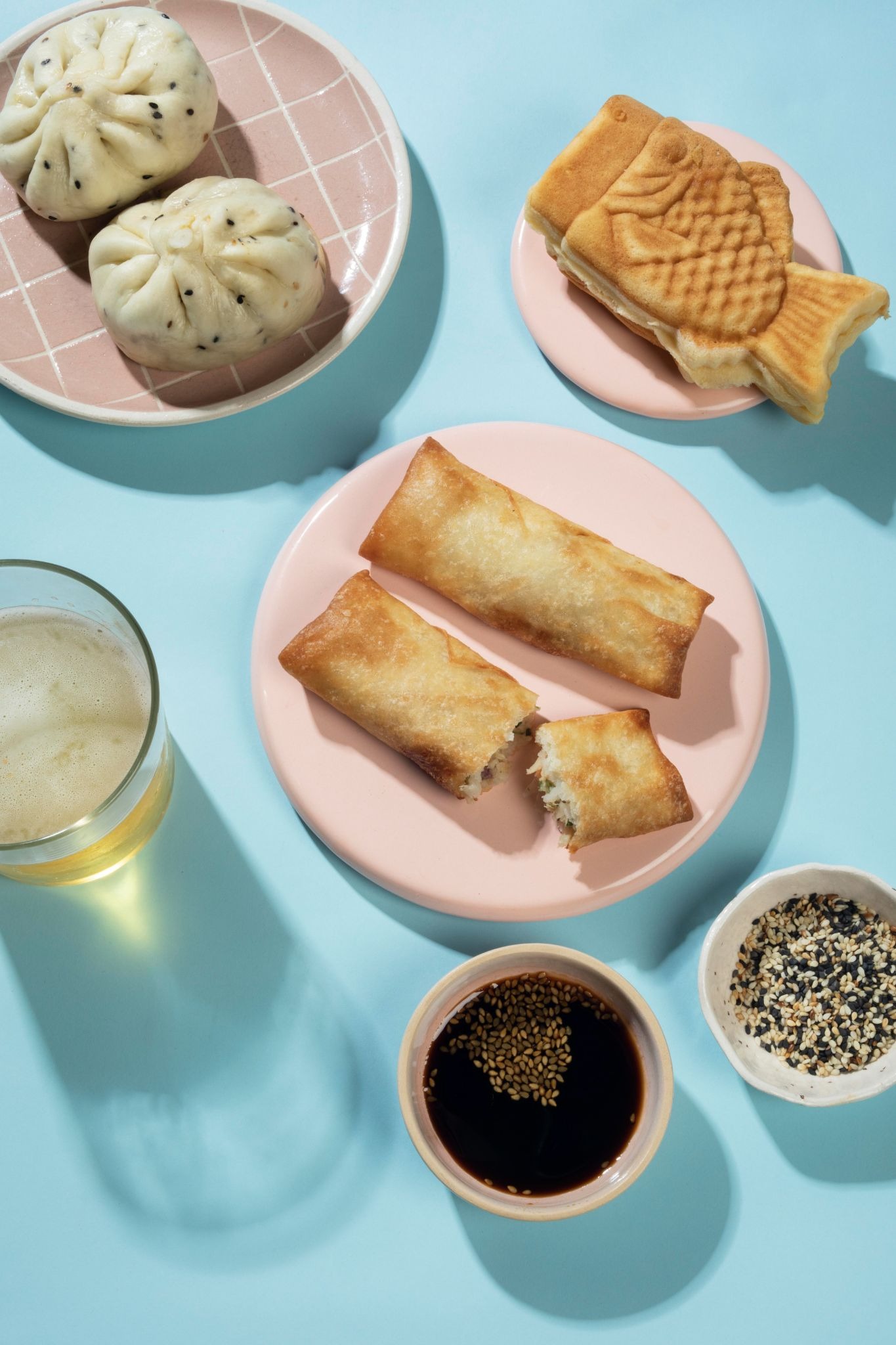
With so many options available, it is understandable if you are unsure what to order first. If you want to try dishes that represent Uncle Bao's noodle and dimsum offerings, several options are worth adding to your list.
Bakmi Karet Pangsit Chili Oil is a great choice if you want to try noodles with a bolder flavor. The chewy texture provides a different experience from regular noodles, while the dumplings and chili oil add complexity to the dish.
For dimsum, Chicken and Shrimp Siomay is a good option to start with. The combination of chicken and shrimp makes it suitable for those who enjoy savory dimsum with a noticeable filling. Hakau is another option if you want to try a classic type of dimsum known for its shrimp filling.
If you are dining with a group, you can order several types of dimsum to share. Hakau, siomay, kuotie, and chili oil dumplings, for example, make a combination that allows everyone at the table to enjoy a variety of flavors.
Meanwhile, Steamed Bread with Kaya Butter or toasted bread with various toppings can serve as a finishing treat or an accompaniment to your drink. Some customer reviews also mention hakau, chili oil dumplings, char siu bao, and kaya butter toast as menu items worth trying.
Uncle Bao's Dining Concept
One of the things that makes the Uncle Bao experience distinctive is how its food and setting complement each other. The restaurant embraces a modern Chinese atmosphere with a spacious indoor dining area.
The table arrangement allows the restaurant to accommodate different dining needs. It is suitable for a casual meal for two, a comfortable family gathering, or a get-together with friends.
This concept aligns well with Uncle Bao's menu, which allows customers to order several types of food to enjoy together. Dimsum can be shared, noodles can serve as the main course, and bread can be ordered for breakfast or as a snack.
Uncle Bao is located at Jl. Dr. Kariadi No. 72, Randusari, South Semarang District, Semarang City, Central Java 50244. The latest available information indicates that the restaurant operates daily until the evening.
Read also: Understanding Restaurant Minimum Spend and the Reasons Behind It
Behind Uncle Bao's Business Operations
Serving dimsum, noodles, and bread in one restaurant naturally makes business operations more complex. Each category has different requirements for ingredients, production processes, inventory, and order patterns.
At the same time, the restaurant must ensure that every transaction is properly recorded. As order volumes increase, a system that connects cashier operations, inventory, reporting, and customer needs becomes increasingly important.
For a restaurant with a diverse menu like Uncle Bao, technology can help make these processes more manageable. Its role goes beyond recording transactions. It can also help business owners monitor operational conditions and make decisions based on available data.
Uncle Bao x ESB Testimonial Video
Uncle Bao's use of technology in its business operations was also shared directly by Abhiyasa, the owner of Uncle Bao, in a testimonial video with ESB.
In the video, Abhiyasa explains why Uncle Bao uses ESB Order and how ESB's systems support various business needs, including reporting, inventory management, void control, cashier operations, and customer relations through ESB Loop.
"One of the reasons we use ESB Order is that we need to be able to maintain all aspects of customer needs. ESB's reports are very clear and well categorized, which makes things easier for us. We can simply check how much stock we have sold and control when we need to add more stock through the POS. If there is a void, an OTP code is required, and it can be done from anywhere. The cashier can also communicate with customers through ESB Loop, and the customers' phone numbers are saved in the POS system. This allows us to focus more on customer relations, which is very helpful, especially with ESB Loop. The POS system is highly accurate, and its financial reports are excellent. Its purchasing features are also very good." - Abhiyasa, Owner of Uncle Bao
This testimonial shows that Uncle Bao's needs go beyond having a cashier system. The restaurant also requires a system that helps manage different aspects of the business in a more integrated way.
If you want to learn more about Uncle Bao's experience using ESB solutions in its daily operations, watch the full testimonial video here:
Watch the Uncle Bao x ESB Testimonial Video
Lessons for Managing a Restaurant with Multiple Menu Categories
Running a restaurant with multiple food categories provides customers with more choices. However, from a business perspective, this variety also means there are more aspects to monitor and control.
From dimsum ingredients and noodle production requirements to bread inventory, sales records, and transactions from different channels, every process needs a clear workflow. Without an integrated system, adding more menu items can make daily operations increasingly difficult to monitor.
That is why restaurants with a business model like Uncle Bao need technology that does more than function as a cashier system. It should also connect different parts of the business. Transaction data can provide insights into menu performance, inventory can be managed more effectively, and reports can help owners make decisions based on actual business conditions.
This is why digitalization becomes important as a restaurant grows. It is not simply about following trends but about ensuring that different parts of the business can operate within a more coordinated and controlled system.
Uncle Bao FAQ
1. What does Uncle Bao sell?
Uncle Bao is a restaurant offering a variety of Chinese-style dishes, particularly dimsum, noodles, and bread. It also serves rice dishes, porridge, beverages, and various side dishes.
2. What is on Uncle Bao's menu?
Some of Uncle Bao's menu items include hakau, chicken and shrimp siomay, crab siomay, kuotie, chili oil dumplings, Bakmi Karet Ayam Ori, Bakmi Karet Pangsit Chili Oil, Bakmi Karet Sapi Lada Hitam, steamed bread, and various types of toasted bread.
3. How much do dimsum and noodles cost at Uncle Bao?
Prices may vary depending on the menu item and the period. Based on the available menu information, some dimsum items are priced in the tens of thousands of rupiah, while noodle dishes are also available at relatively affordable prices. It is best to check the latest menu before visiting, as prices may change.
4. Where is Uncle Bao located?
Uncle Bao is located at Jl. Dr. Kariadi No. 72, Randusari, South Semarang District, Semarang City, Central Java 50244.
Conclusion
Uncle Bao's story shows that restaurants offering multiple menu categories need operational systems that can keep up with the complexity of their businesses. Dimsum, noodles, bread, and other dishes must not only be prepared and served well but also supported by organized transaction records, inventory management, reporting, and customer relationship management.
For restaurant cashier and operational needs, ESB POS is a comprehensive point-of-sale application designed specifically for food and beverage businesses. The system helps restaurants manage menus and promotions, support multiple cashiers, and handle table management features such as table linking, table transfers, and split bills. It also offers a customer display, loyalty programs, reservations, and integrations with GrabFood, GoFood, and ShopeeFood. ESB POS is also connected to a kitchen display system, allowing orders to be forwarded to the kitchen team more conveniently.
For businesses with multiple branches or more comprehensive inventory management needs, ESB Core helps manage stock, cost of goods sold (COGS), stocktaking, inter-branch stock transfers, and financial reports such as profit and loss statements, balance sheets, trial balances, and cash flow statements. Business owners can also monitor their business performance in real time from anywhere.
Meanwhile, for online ordering, ESB Order helps restaurants provide a faster ordering experience through AI-powered recommendations, various digital payment methods, vouchers, and membership and loyalty programs. The system claims to help increase transactions by up to 60% and make the ordering process up to 40% faster compared with manual systems.
If your food and beverage business is starting to handle more menu items, transactions, or branches, it is time to ensure that every process operates within an interconnected system. Contact the ESB team to find the right solutions to help your culinary business grow in a more measurable and sustainable way.


