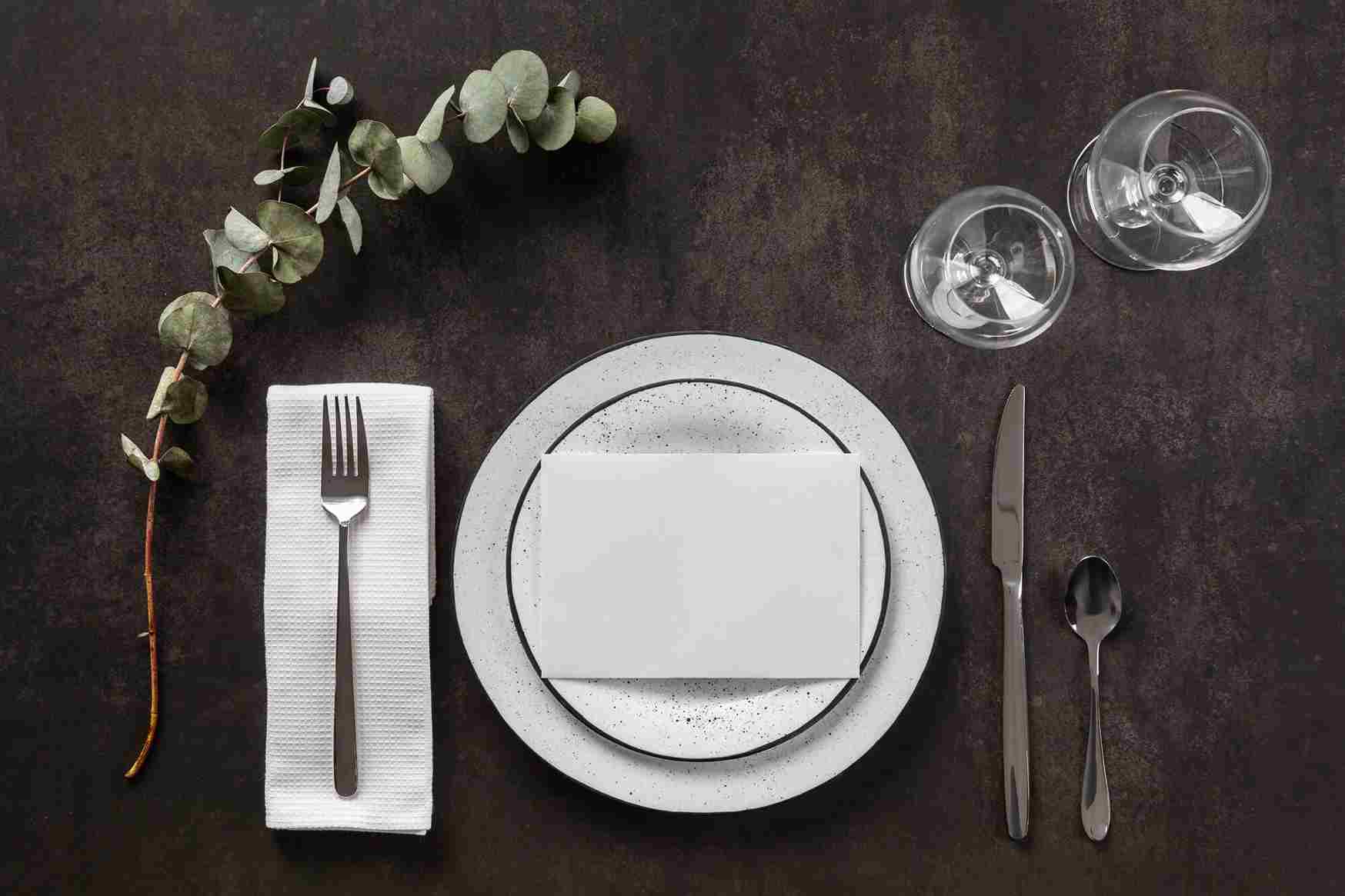
Have you ever walked into a restaurant or a wedding and been completely impressed just by looking at the table settings?
That is the power of a table set up which is brilliantly executed. Good for restaurants, fine dining both elegant andeventIn a professional company, setting the dining table is both an art and an operational strategy.
Let's dissect the complete guide in depthtable set upto take your restaurant or event to the next level!
What is a Table Set Up?
In simple terms, table setting is the art and procedure of arranging tableware, such as plates, glasses, spoons, forks, knives, napkins and decorations, on the table before guests arrive.
In the world of hospitality and Food & Beverage(F&B), this process is an operational standard that shows the readiness, cleanliness and level of professionalism of a restaurant or venue program.
Table Set Up Function (in Restaurants and Events)
Why do restaurant staff spend hours ensuring the fork is positioned exactly two centimeters from the edge of the table? Here are its main functions:
- Enhance Aesthetics and Atmosphere: The neat and beautiful arrangement immediately builds moodguests, whether romantic, professional, or casual.
- Operational Efficiency of Service: With the cutlery already available on the table, the server (the waiter) can serve food more quickly without having to go back and forth to get cutlery.
- Demonstrating Cleanliness Standards: The table that is set up with clean tablecloths and shiny cutlery provides a sense of security for guests regarding restaurant hygiene.
- Menu Instructions for Guests: In fine dining, the number and type of cutlery prepared in advance can give guests a "hint" about how much (dish) to be served.
Correct Table Set Up Stages
To get perfect results, there is a standard sequence that is usually carried out in the industry hospitality:
- Cleanliness (Sanitation) Check: Make sure the table and chairs are clean from dust or remaining stains.
- Installing Linen (Tablecloth): Start by installing molten(thick sound/heat-dampening cloth), then table cloth (main tablecloth), slip cloth(top tablecloth) to make it look neat and symmetrical.
- Placing the Centerpiece: Place decorations in the center of the table (flower vases, candles, or table numbers) as a centerpiece.
- Menyusun Show Plate & Cutlery: Place the main plate (show plate), followed by silverware (knife, spoon, fork) from outside to inside in order of use.
- Arranging Glassware & Napkins: Place the mineral water glass and the glassine on the top right side of the knife. Finally, place the napkin (napkin) which has been folded neatly above show plate or next to the fork.
Various Table Set Ups for Restaurants and Events
Every event and restaurant concept requires a different table layout style. Here are the typestable set upmost frequently used:
1. Classic Style Table Set Up
This style is very thick with nuancesfine dining or gala dinner formal. Using a clean white tablecloth, elegantly folded fabric, cutlery made of shiny silver and crystal glass, the feel is luxurious and demands high precision.
2. Set Up Table Gaya Rustic
Suitable for outdoor events, garden party, or casual restaurant concepts. This style often exposes the texture of wooden tables (without full tablecloths), combined with natural elements such as leaves, eucalyptus, dried flowers, and cutlery with the color of the earth (earth tone).
3. Set Up Table U-shape
As the name suggests, the table is arranged in a U-shape. It is very popular for event meetings, presentations, or intimate dinners where there is a single focal point (e.g., a speaker or projector screen) at the open front.
4. Set Up Table Boardroom
Style boardroom using one large rectangular table (or several tables combined). Often used for corporate executive meetings or private dining small to medium groups who want intense two-way discussions.
5. Set Up Table Classroom
Tables and chairs are arranged in rows facing one direction (like a classroom). This arrangement is ideal for seminars or other events.workshopwhich is accompanied by a dining session, so that guests can still take notes and eat without having to change the position of their seats.
Tips for Creating an Effective Table Set Up
To ensure your table layout is not only beautiful but also functional, follow these tips:
- Consider the Number of Guests: Make sure the number of cutlery and chairs preparedmatchingwith a reservation list so that there are no empty seats spoiling the view or guests lacking cutlery.
- Customize to the Room and Event Theme: Don't force yourself to use a narrow room table set up the U-Shape is massive. Also make sure the linen color and decor are in line with the vibes program.
- Pay Attention to the Food Serving Process: Think of the traffic path (flow) waiters. Tables should not obstruct staff access when carrying trays of hot food.
Things to Consider in Table Set Up
There are several operational details that should not be overlooked:
- Ensure Tables and Chairs are in Good Condition: Check for wobbly table legs. An unstable table will spill water in glasses and ruin your guests' enjoyment.
- Pay Attention to Table Cleanliness and Tidiness: Cutlery must be polished (polished) to be free from fingerprints or water spots. The fold lines of the tablecloth should be uniform.
- Providing a Special Service Station Area: Provide a small table in the corner of the room (sideboard) as a place for waiters to put spare cutlery, sauces, or ice water so that service can be carried out quickly.
Common Mistakes When Setting Up a Table
Avoid somebody which is often done by F&B managers or event organizer beginner:
- Tables Too Close together:Sacrificing comfort to accommodate more guests. Narrow seating makes it difficult for guests to stand and for waiters to serve food.
- Not Considering Room Size:Using table sizeround tablelarge in a room that is too small, so the room feels cramped and claustrophobic.
- Using Excessive Decoration: Centerpiece or a flower vase that is too tall and large will block the view between guests sitting opposite each other.
Read Also:What is a Reservation? Learn the Benefits and Practical Ways of Making Online Reservations.
Types of Table Settings and How to Set Up a Table in a Restaurant

Source: Freepik
After understanding the various table set ups most often used in restaurants, there is one other aspect that is no less important, namely table setting.
If table set up is the arrangement of the table position and the layout of the cutlery in a restaurant, then table setting focuses more on the details of the arrangement of the cutlery used.
Table setting covers many aspects, from selecting equipment to the basic rules for arranging it on the table.
Well, this is very influential in creating a comfortable dining experience for customers.
There are several types of table settings commonly used in restaurants, depending on the concept and level of formality.
Basic Table Setting
The basic table setting concept is suitable for casual restaurants that prioritize comfort and convenience for customers.
In its setting, the table is only equipped with basic cutlery, such as:
- B&B Plate (Bread & Butter Plate) for bread and butter.
- B&B Knife, a small knife for cutting bread or spreading butter.
- Dinner Fork placed to the left of the main plate.
- Show Plate and Napkin as the main elements in serving.
- Dinner Knife placed on the right side of the plate with the blade facing inwards.
- Water Goblet, a water glass placed on top of a dinner knife.
This arrangement is very simple and is more often used for restaurants with a fast food or casual dining concept.
Standard Table Setting
For restaurants that offer a more formal dining experience than basic table settings, they usually use standard table settings.
The setup is similar to the basic setup, but there are additional cutlery for certain dishes.
- B&B Plate and B&B Knife, remain the main part of this setting.
- Dinner Fork and Dinner Knife are also still used.
- Soup Spoon, added for customers who order soup as an appetizer.
- Show Plate and Napkin, remain mandatory elements in this table setting.
- Water Goblet, still used as the main drinking vessel.
This type of setting is usually found in restaurants that serve a complete menu from appetizers, main courses, to desserts.
Read Also:Understanding the Meaning of Expired (Expired): Definition, Examples, and Complete Explanation!
Elaborate Table Setting
For restaurants that host formal banquets such as state meetings,fine dining, or special events, usually using elaborate table settings.
This type of setting has a more complex layout because it includes various cutlery for a complete meal from appetizers to dessert.
- B&B Plate and B&B Knife remain the mainstay.
- Dinner Fork, Dinner Knife, and Soup Spoon, arranged in order of use.
- Dessert Fork, Dessert Knife, and Dessert Spoon, are placed on top of the main plate.
- Water Goblet, Red Wine Glass, and White Wine Glass, are used according to the drink being served.
- Show Plate and Napkin, remain the main part of the presentation.
Fine dining restaurants often use this layout to provide a more luxurious and exclusive dining experience.
How to Properly Set Up a Table in a Restaurant

Source: Freepik
Apart from choosing the type of table setting that suits the restaurant concept, there are several important steps in setting up the table that must be considered.
Each element must be placed according to applicable regulations so that customers can enjoy their food comfortably.
1. Prepare the Equipment in a Clean Condition
Before setting up the table, make sure all cutlery is clean and ready to use.
Use a special cloth to clean silverware, glassware, and chinaware to keep them shiny.
2. Installing Linen and Table Cloth
Linens such as moulton and table cloths should be neatly arranged to make the table look more elegant.
The color selection can also be adjusted to the theme of the restaurant or the event currently taking place.
3. Placing Table Accessories Correctly
Table accessories such as flower vases, ashtrays, salt & pepper shakers, sugar bowls, and table numbers must be placed in appropriate positions.
Flower vases are usually placed in the middle of the table as a reference point for arranging other accessories.
4. Arrange Silverware and Chinaware in the Correct Order
Silverware such as dinner knives and dinner forks should be placed parallel to the show plate, with a distance of about 2 cm from the edge of the table.
The fork is always on the left, unless it is used for seafood such asshrimp fork or oyster fork.
5. Place the Water Goblet and Glassware
The water goblet should be placed about 2 cm above the dinner knife. If additional wine glasses are available, they should be placed in a row below the water goblet, parallel to the glass or at a 45° angle.
6. Arrange the napkins on the show plate.
Napkins can be placed on the show plate or to the left of the fork, depending on the restaurant's concept.
Some restaurants choose to fold napkins in interesting shapes to give a more elegant touch to the table.
FAQ Table Set Up
1. What is the ideal distance between one table and another?
Ideally, leave a distance of about 90 cm to 1.2 meters between tables to allow room for guests to pull out chairs and for waiters to walk.
2. Is it table set up must always use a tablecloth?
Not always. For casual, minimalist, or rustic(where the table texture is very good), you can replace the tablecloth with a placemat (plate holder).
3. Who is responsible for doing this? table set up at the restaurant?
Usually this is the job of the serving staff (waiter/waitress) under supervisionCaptain or Restaurant Supervisor before operating hours begin.
Conclusion
After understanding the various types of table settings and how to set up a table correctly, there is one more thing that should not be missed, namely table reservation management.
It's no use if the table setting is perfect, but the reservation system is a mess.
Through ESB Book, restaurants can manage table reservations more practically and efficiently.
Customers can make reservations easily through various channels, such as telephone, in-person visits, or smartphones.
Another advantage, ESB Book allows integration with restaurant POS systems, meaning all reservations can be recorded directly without errors.In addition, customers can also make table reservations via ESB Order.
So, if your restaurant wants to increase efficiency in reservation management and table management, ESB Book is the best solution! Contact WhatsApp ESB now for a free trial and demo of the ESB Book product!


