Running a food and beverage business today is no longer just about great taste or a strategic location. Customers are becoming more selective, choices are expanding, and competitors continue to emerge every day. Without the right sales strategy, businesses can struggle to grow and stay competitive.
One proven strategy to increase sales is menu bundling. You’ve probably seen value meals, combo packages, or buy-one-get-one promotions in restaurants or online food platforms.
Behind these offers lies a strategic approach designed to increase transaction value while delivering a more appealing customer experience.
In this article, we will explore everything you need to know, from the definition and examples to practical strategies for implementing menu bundling effectively.
What Is Menu Bundling?
Menu bundling is a sales strategy that combines two or more products into a single package at a lower price compared to purchasing them separately.
This concept aims to create a higher perceived value in the eyes of customers. When customers feel they are getting more for a better price, they are more likely to make a purchase decision quickly.
In the food and beverage industry, menu bundling can take various forms, from full meal packages and drink-snack combinations to promotions like buy-one-get-one deals. In addition to increasing attractiveness, this strategy is often used to introduce new menu items or help sell slow-moving products.
Why Is Menu Bundling Important for F&B Businesses?
Menu bundling plays a crucial role in directly influencing customer purchasing decisions. When customers see a package that appears more cost-effective, they tend to choose it over buying individual items. This naturally increases the average transaction value.
It also helps businesses manage inventory more efficiently. Slow-moving items can be paired with popular products, ensuring they still have a chance to sell. This is especially important for perishable ingredients with limited shelf life.
From a marketing perspective, bundling simplifies promotions. Instead of promoting multiple items separately, businesses can focus on one package with clear value, making it easier for customers to understand and more appealing to choose.
Examples of Popular Food Menu Bundling Promotions

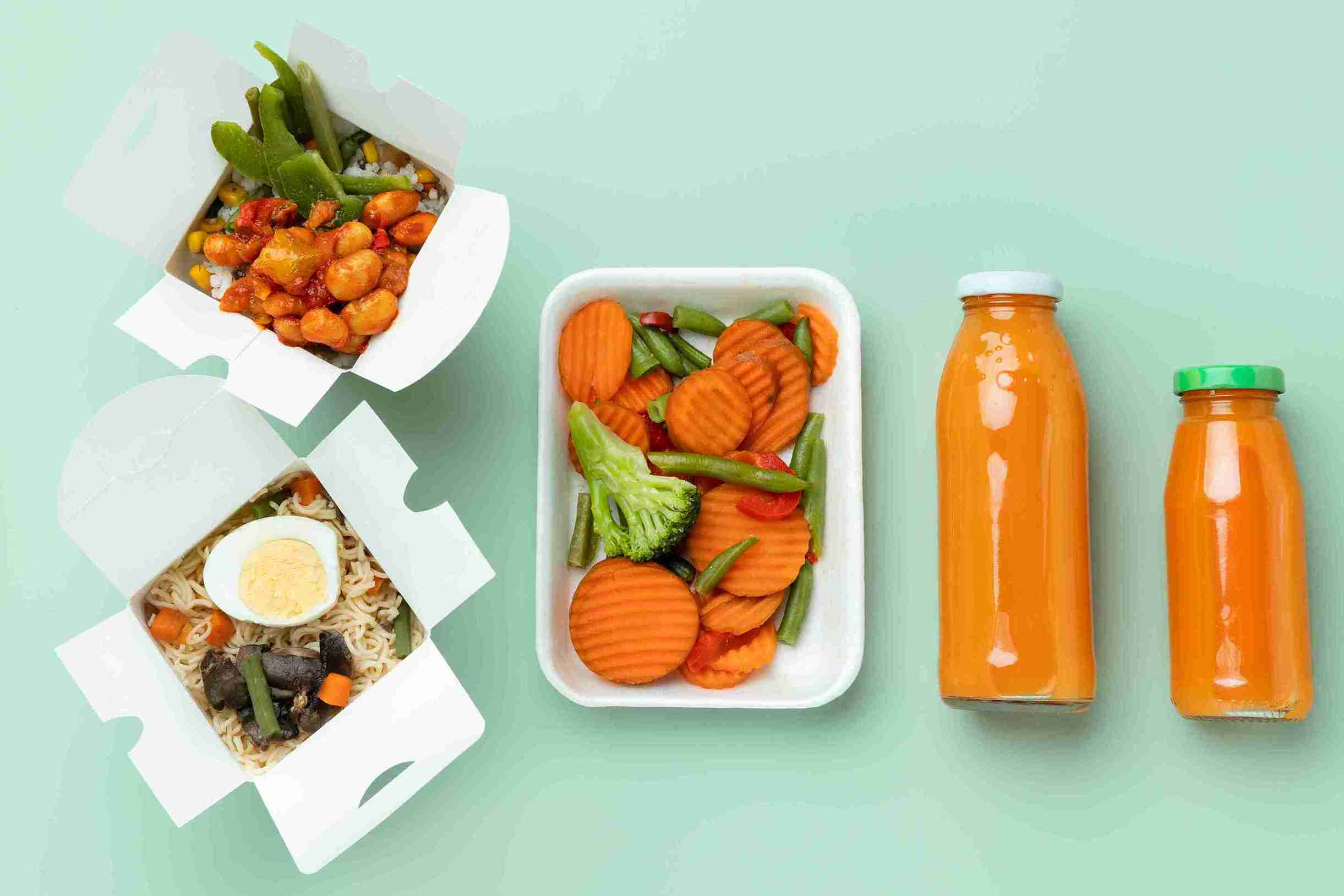
Source: freepik.com
In practice, menu bundling can be packaged in various ways depending on your business concept and target market. Here are some of the most effective and commonly used examples:
1. Complete Value Meal Packages
These packages typically include a main dish, side dish, and beverage at a bundled price. Compared to ordering separately, customers feel they are getting better value. It also simplifies decision-making for those who prefer convenience.
2. Coffee and Snack Bundling
Combining coffee with pastries or light snacks is very popular in coffee shops. This strategy leverages the common habit of customers purchasing both items together. Bundling encourages them to buy more instead of just one item.
3. Buy One Get One (BOGO) Promotions
This strategy is highly effective in grabbing attention by offering significant perceived value. It is commonly used to boost sales volume in a short period and attract new customers to try your products.
4. Add-On Bundling
Customers are offered additional items at a discounted price when purchasing a main product. For example, adding a drink or dessert for a small extra cost. This simple strategy can significantly increase transaction value.
5. Family Packages
Designed for groups, these bundles typically include 3–5 menu items in one package. They are ideal for shared meals and encourage larger purchases while offering better perceived value.
Types of Menu Bundling for F&B Businesses
Every food business has different needs, so it’s important to choose the right type of bundling strategy:
1. Pure Bundling
Products are only available as part of a package and not sold separately. This approach is often used for exclusive or special menu offerings, encouraging customers to choose higher-value packages.
2. Mixed Bundling
This is the most common and flexible type. Products can be purchased individually or as part of a bundle at a discounted price, giving customers more options while still encouraging higher spending.
3. New Product Bundling
New menu items are paired with popular ones to encourage trial. Customers feel more confident trying something new when it’s bundled with something familiar.
4. Cross-Sell Bundling
Combines complementary items such as main courses with drinks or desserts. This enhances customer convenience and increases total purchase value.
5. BOGO Bundling (Buy One Get One)
A powerful strategy to quickly boost sales and traffic, both online and offline. The psychological appeal of “free” makes it highly effective.
6. Seasonal Bundling
Bundles designed for specific occasions such as Ramadan, holidays, or special promotions. These packages feel more relevant and can significantly boost sales during certain periods.
Benefits of Menu Bundling for F&B Businesses
Menu bundling is not just a promotional tactic, it has a direct impact on business performance:
1. Increases Average Transaction Value
Customers who initially plan to buy one item are encouraged to purchase a bundle, increasing total spending per transaction.
2. Reduces Unsold Inventory
Slow-moving products can be paired with popular ones, helping reduce waste and improve inventory efficiency.
3. Introduces New Menu Items
Bundling makes it easier for customers to try new items, reducing the risk of rejection.
4. Improves Marketing Efficiency
Promoting a single bundle simplifies communication and reduces marketing costs.
5. Enhances Customer Satisfaction
Customers feel they are getting better value, which increases satisfaction and encourages repeat purchases.
Read more: Want to sell even better? Come on, try these 10 promotional strategies to increase sales!
How to Implement Menu Bundling Effectively
To ensure your menu bundling strategy works effectively, you need to implement it with the right and measurable steps. Here are some ways you can do it:
1. Understand Your Target Market
Understand customer habits and preferences through sales data or surveys. This information is important to determine relevant bundling types. Without data, bundling strategies will only be based on assumptions.
2. Choose the Right Product Combinations
Make sure the combined products complement each other and match customer needs. The right combination will increase the attractiveness of the package. On the other hand, the wrong combination can make bundling unattractive.
3. Set the Right Pricing Strategy
Calculate production costs and determine a safe profit margin. Do not only focus on making the price look cheap. Make sure your business still earns profit from each package.
4. Use Attractive Package Names
Attractive package names can significantly increase appeal. Use words like “Value”, “Combo”, or “Special”. The right name can influence purchasing decisions.
5. Test and Evaluate
Monitor the performance of your bundling strategy. If the results are not optimal, make adjustments in terms of price, package content, or promotional strategy. Regular evaluation is very important to maintain optimal performance.
Tips for Optimizing Product Bundling
To ensure your bundling strategy delivers maximum results, you need to implement it properly. It’s not just about combining products, but also about how the package is presented, offered, and communicated to customers. Here are some tips you can apply:
1. Use Attractive Package Names
Package names play an important role in attracting attention from the start. Terms like “Value Package”, “Favorite Combo”, or “Couple Deal” can create a higher perceived value. Attractive names also make it easier for customers to remember and recommend.
2. Show Price Comparisons
Do not let customers guess whether the bundle is truly worth it. Clearly show the comparison between individual prices and bundle prices. This helps highlight the value customers get.
3. Create a Clear Menu Display
Visual layout and menu structure strongly influence purchasing decisions. Ensure the bundling menu is displayed neatly, easy to read, and not confusing. Highlight the bundle to make it stand out.
4. Leverage Specific Moments
Bundling becomes more effective when tied to specific moments such as lunch hours, weekends, or holidays. This makes the offer more relevant and appealing.
5. Use Sales Data as a Basis
Do not rely only on intuition. Use sales data to identify popular items and customer behavior. This helps create bundles that are more likely to succeed.
Common Mistakes in Creating Menu Bundling
Although it looks simple, many food businesses fail to maximize bundling strategies due to fundamental mistakes. These mistakes often make bundling unattractive or even unprofitable. Here are some to avoid:
1. Combining Irrelevant Products
A good bundle should make sense to customers. Irrelevant combinations make the package feel forced and less appealing.
2. Pricing Is Not Attractive Enough
If the price difference is too small, customers will not feel the benefit. Bundling should provide clear incentives.
3. Incorrect Margin Calculation
Miscalculations can negatively impact profits. Proper cost and margin calculations are essential.
4. Lack of Evaluation
Without evaluation, you cannot measure effectiveness. Regular reviews help optimize performance.
5. Too Many Options
Too many choices can confuse customers and reduce purchasing decisions. Focus on a few strong packages.
Challenges of Managing Menu Bundling Without a System
As your food business grows, managing bundling manually becomes more complex. Without a system, several operational challenges may arise:
1. Pricing Miscalculations
Manual processes increase the risk of pricing errors, especially when costs change frequently.
2. Difficulty Managing Inventory per Bundle
Each item has its own stock, making tracking more complicated without a system.
3. Slower Transaction Process
Manual input slows down transactions, especially during busy hours.
4. Risk of Order Input Errors
Human errors can lead to incorrect orders and affect customer satisfaction.
FAQ About Menu Bundling
1. What is menu bundling?
Menu bundling is a strategy of selling multiple products in one package at a lower price.
2. Should bundling always be cheaper?
Generally yes, as the goal is to provide more value.
3. How to determine bundling price?
Calculate production costs, set margins, and adjust to market prices.
4. Can all menu items be bundled?
No, only complementary and relevant items.
5. When is the best time to offer bundling?
During peak hours, special promotions, weekends, or holidays.
Read more: Food Pricing Strategy for Restaurant Businesses
Conclusion
Menu bundling is not just an additional sales strategy, but a smart way to increase transaction value while providing a more practical experience for customers.
By combining relevant products, setting competitive pricing, and managing packages in a structured way, food businesses can boost sales without significantly increasing operational costs.
However, to ensure this strategy works optimally, it requires proper management, consistency, and support from a system that minimizes errors and improves efficiency.
To support your business growth, you can leverage ESB Order, an online food ordering system designed to help food businesses grow faster. With AI (Artificial Intelligence) technology, ESB Order has been proven to increase transactions by up to 60% through more relevant menu recommendations for customers.
In addition, the system is integrated with various digital payment methods, vouchers, and membership or loyalty programs, making operations easier while increasing repeat orders.
The ordering process also becomes up to 40% faster compared to manual systems, providing a more seamless customer experience.
Contact the ESB team now and consult your business needs!


