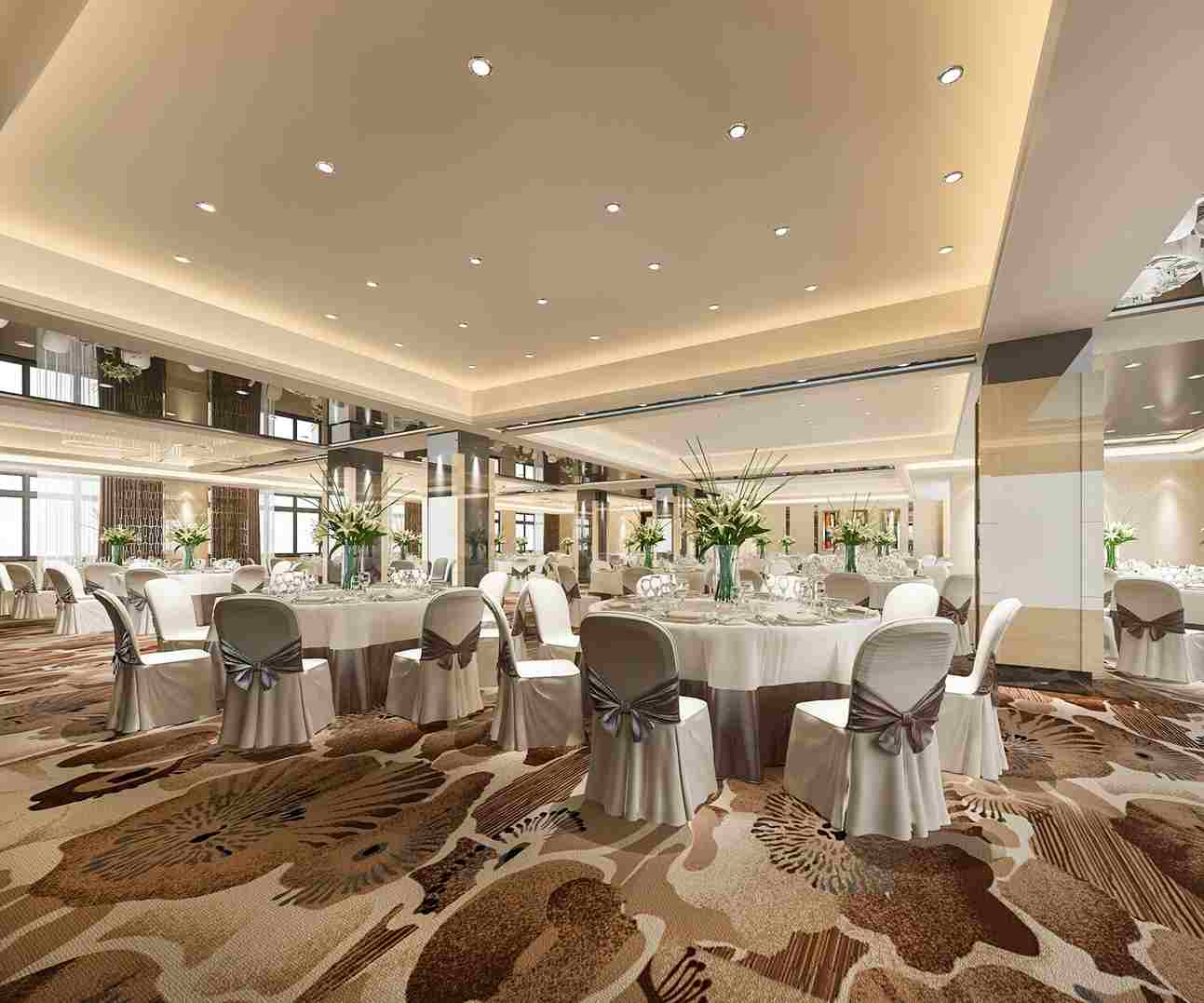
In the world of hospitality and the culinary business, there is one term that often comes up when discussing large-scale events and dining experiences: banquet.
Many people assume that a banquet is simply a large group meal. In reality, behind it lies a well-structured system, a dedicated team, and detailed planning to ensure every event runs perfectly.
If you have ever attended a hotel wedding, a corporate gala dinner, or a seminar with neatly arranged meals served directly by staff, chances are you have experienced a banquet.
This is where dining is not just about taste, but also about service, atmosphere, and well-organized event details.
So, what exactly is a banquet? What are its functions, the roles of the team behind it, and how does it differ from a buffet, which is often considered similar?
This article explores all of these aspects in a clear and practical way, making it relevant for both business and operational needs.
Definition of Banquet
In general, a banquet is a large-scale dining event that is organized in a formal and structured manner.
In the context of hospitality and F&B, a banquet is not only about food, but also about the entire event experience, including venue setup, event flow, and guest service.
Many hospitality practitioners define a banquet as an integrated service designed for events involving a large number of guests, with a concept that has been carefully planned in advance.
This means that every element is predetermined, from the menu and number of guests to the table arrangement and sequence of food service.
On the other hand, banquets are often associated with the use of dedicated spaces such as ballrooms or function halls.
This is because banquet events require large capacity and supporting facilities such as stages, sound systems, decorations, and lighting.
In practice, a banquet does not stand alone. There is usually an important document called a banquet event order or BEO, which contains detailed agreements between the organizer and the hotel or venue.
This document serves as the main guideline to ensure all teams work in alignment and to prevent errors during the event.
Organizational Structure and Responsibilities in a Banquet
To ensure a banquet event runs smoothly, a well-structured team with clearly defined roles is essential. Each position carries specific responsibilities that are interconnected:
1. Banquet Manager
The Banquet Manager is responsible for overseeing the entire banquet operation. Their role is not only to ensure that the event runs according to plan but also to coordinate various departments such as the kitchen, service team, and housekeeping.
At the initial stage, the Banquet Manager is involved in planning the event concept, understanding client requirements, and ensuring that all details in the BEO are accurate. During the event, their role focuses on supervision and decision-making when issues arise.
2. Banquet Supervisor
The Banquet Supervisor is responsible for monitoring on-site operations directly. Before the event begins, they typically conduct a briefing to ensure all team members understand their roles.
During the event, they ensure that everything meets service standards, from food presentation to area cleanliness. After the event, they also participate in evaluations to improve future service quality.
3. Banquet Captain
The Banquet Captain acts as a bridge between the supervisor and the operational team. They are responsible for managing service in specific areas, including coordinating waiters and waitresses.
This role is crucial because they ensure that guests receive consistent service in line with established standards.
4. Waiters and Waitresses
Waiters and waitresses are the frontline of banquet service. They are responsible for serving food and beverages, ensuring guest needs are met, and maintaining comfort throughout the event.
They must also be responsive in handling additional requests or guest complaints, ensuring that the overall experience remains positive.
5. Vendor and Logistics Coordination Team
This team ensures that all external vendors such as decoration, entertainment, and equipment providers operate according to plan. They also handle logistics, from delivery to equipment readiness.
Although often behind the scenes, this role is critical as it directly affects the smooth execution of the entire event.
Read more: Understanding Standing Parties: Concept and Efficient Service Tips
Types of Banquet Services
Banquet services are not limited to a single type of event. In fact, their flexibility allows them to be used for various purposes:
1. Weddings and Birthday Celebrations
Wedding events are one of the most popular forms of banquets. They are typically organized in a formal setting with themed decorations and a predetermined menu.
In addition to weddings, large-scale birthday celebrations often use the banquet concept, especially when aiming for a more exclusive atmosphere.
2. Music Events
Some hotels or venues also host music events in a banquet format. These events are usually more intimate, with a limited number of guests, creating a more personal experience.
Food and beverages remain an essential part of enhancing the overall atmosphere.
3. Exhibitions
Art, product, or industry exhibitions often utilize banquet facilities. The spacious venue allows booths and displays to be arranged neatly.
Providing food and beverages for visitors also adds value by enhancing comfort during the event.
4. Seminars and Workshops
Seminars are another example of banquet usage. They are typically supported with catering packages such as coffee breaks and lunch.
This concept helps participants stay focused, as their basic needs like food and drinks are already taken care of.
5. Corporate Gatherings and Events
Companies frequently use banquet services for internal events such as gatherings, celebrations, or product launches. The formal setting helps create a professional and exclusive impression.
6. Meetings and Conferences
For large-scale meetings or conferences, banquet services offer an efficient solution. All needs, from venue and catering to accommodation, can be managed within a single package.
Understanding Table Service in Depth

Source: freepik.com
In a banquet setting, one of the key elements is table service, which refers to serving food directly to guests at their tables. There are several types of table service commonly used:
1. American Service
American Service is a method where food is portioned in the kitchen before being served to guests. This approach is considered practical and efficient as it speeds up the service process.
It is commonly used in large events because it ensures consistency and timely delivery.
2. Russian Service
Russian Service presents food in large portions, which are then served by staff to each guest. This technique creates a more elegant and interactive dining experience.
However, it requires skilled staff to maintain neat and professional presentation.
3. French Service
French Service is known for its luxurious and detailed presentation. Food is often prepared or finished in front of guests.
This concept offers an exclusive experience but requires more time and manpower.
4. English Service
English Service involves placing food in large dishes on the table, where guests or the host serve themselves.
This style creates a warm and communal atmosphere while still maintaining a formal tone.
5. Buffet Service
Although different in concept, buffet service is often discussed in the context of food service styles. In this method, guests serve themselves from a buffet table.
Buffet service provides greater freedom for guests to choose food according to their preferences.
Differences Between Banquet and Buffet
Although often considered similar, banquet and buffet have fundamental differences. A banquet is a more formal, structured dining concept where food is served directly by staff. Everything is planned in advance, including the menu and service flow.
In contrast, a buffet is more flexible and casual. Guests are free to take their own food without waiting to be served. The atmosphere is usually more relaxed and interactive.
From a cost perspective, banquets tend to be more expensive due to the higher manpower and preparation involved. Buffets, on the other hand, are more operationally efficient.
The choice between the two depends on the purpose of the event. If the goal is to create an elegant and well-organized experience, a banquet is the right choice. However, for a relaxed atmosphere with a wide variety of food options, a buffet may be more suitable.
Read more: Getting to Know À La Carte as a Flexible Menu System – Here's the Explanation
FAQ About Banquets
1. What is a banquet in the culinary world?
A banquet is a large-scale dining service organized formally with structured planning and service.
2. What is the main difference between a banquet and a buffet?
A banquet involves staff-served meals in a formal setting, while a buffet allows guests to serve themselves in a more casual environment.
3. What types of events are suitable for banquets?
Weddings, gala dinners, seminars, conferences, and corporate events commonly use the banquet concept.
4. When should you choose a banquet or a buffet?
A banquet is ideal for formal and exclusive events, while a buffet suits more relaxed occasions with a variety of menu options.
5. Are banquets only available in hotels?
No. In addition to hotels, banquets can also be held in venues such as convention halls or dedicated event spaces.
Conclusion
A banquet is more than just a shared meal. It is a structured service system designed to deliver an elegant and memorable event experience.
From planning to execution, every element works together to ensure that every detail meets expectations.
At the same time, the need for structured and efficient systems is not limited to large events like banquets. It also applies to daily operations in the culinary business, where technology plays an increasingly important role.
To improve efficiency while enhancing customer experience, ESB Order can be the right solution.
This online food ordering system has been proven to increase transactions by up to 60 percent through AI-based recommendations, integrates with various digital payment methods, and includes voucher and loyalty program features.
The ordering process is also 40 percent faster compared to manual systems.
It is time to take your business operations to the next level. Contact the ESB team now and discover how ESB Order can elevate your service quality.


