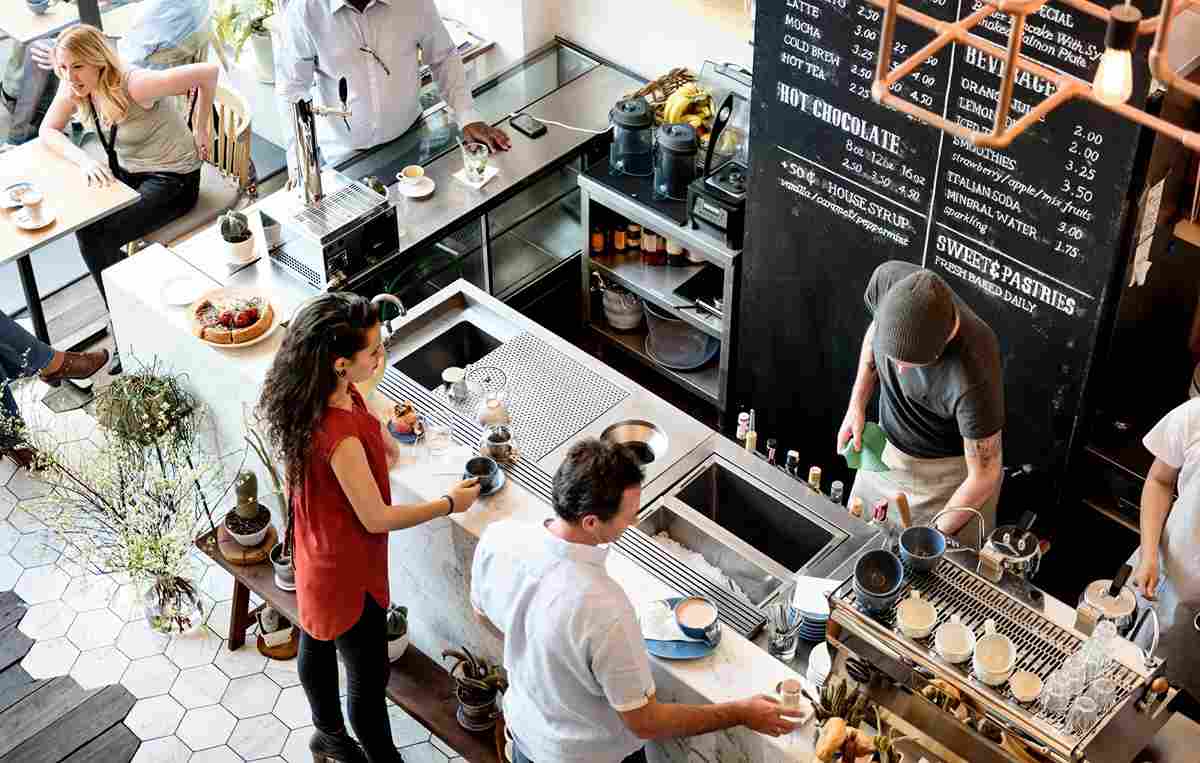
Have you ever walked into a dining place and wondered whether it’s actually a café, a bistro, or an eatery? At a glance, they may look similar, tables, chairs, menus, and customers enjoying their meals.
But if you take a closer look, each concept has its own distinct character, from how the menu is served, the atmosphere created, to the business strategy behind it.
In today’s increasingly competitive F&B industry, choosing a concept is not just about style, it also determines the direction of the business moving forward.
Selecting the wrong concept can lead to unclear positioning, mismatched target markets, and even margins that are difficult to grow.
So, in this article, we’re going to explore the differences between cafés, bistros, and eateries in depth, including why the eatery concept is becoming increasingly popular and relevant in today’s era.
What Is the Difference Between a Café, Bistro, and Eatery in the F&B Business?
At first glance, these three concepts are all places to eat. However, the main difference lies in the customer experience they offer and how the business is operated.
A café is typically designed as a place to relax. Its focus is not just on food, but also on the atmosphere. Many people come to cafés to work, socialize, or simply enjoy their time. The menu is usually dominated by beverages such as coffee and non-coffee drinks, complemented by snacks or desserts.
On the other hand, an eatery focuses more on efficiency. This concept prioritizes main courses at relatively affordable prices with fast service.
Customers come with the primary goal of eating, not lingering. That’s why eatery operations are usually designed to be simple yet effective.
Meanwhile, a bistro sits somewhere in between. It offers a more serious dining experience than a café, but remains more relaxed than a formal restaurant.
Bistros typically feature signature dishes or curated menus, paired with a warm and intimate atmosphere.
These differences are not just about appearance, they also directly impact business strategies, from pricing and staffing needs to how marketing is executed.
Understanding Eatery as a Modern Culinary Business Concept
Definition of Eatery in the F&B Business
Simply put, an eatery is a casual dining concept that focuses on serving main dishes through fast and efficient processes. Compared to restaurants, eateries are less complex in terms of both menu and service.
This concept emerged from market demand for food that is delicious, reasonably priced, and served quickly. That’s why eateries are often the go-to choice for office workers, students, and small families who want a practical dining option without sacrificing quality.
Characteristics of an Eatery
One of the main strengths of an eatery lies in its flexibility. The concept tends to be casual, without overly rigid rules. Customers can come in, order, eat, and leave without the pressure of a formal atmosphere.
From a menu perspective, eateries usually offer a fairly wide variety while still focusing on main dishes. The goal is not to create overly complex menus, but to ensure that each dish can be prepared quickly and consistently.
Eatery operations are also designed for speed. From kitchen workflows and ordering systems to food serving, everything is optimized so customers don’t have to wait long. This is what allows eateries to rely on sales volume as their main source of profit.
Advantages of the Eatery Concept for Business
From a business standpoint, eateries offer several attractive advantages. One of them is scalability. Because the concept is simple, it is easier to replicate across multiple locations compared to more complex concepts like restaurants.
In addition, eateries are highly compatible with delivery and omnichannel trends. With systems already designed for speed and efficiency, integrating with online platforms such as food delivery services becomes much easier.
In today’s digital era, the ability to serve customers both offline and online is no longer a bonus, it’s a necessity. And this is where eateries have a particularly strong position.
Understanding Cafés: A Favorite for Coffee Lovers & Lifestyle Seekers
A café is not just a place to drink coffee, it has become part of a lifestyle. Many people visit cafés not only to enjoy the menu, but also to experience the atmosphere.
The defining characteristic of a café lies in its comfortable and relaxed ambience. Interiors are often designed to be visually appealing, with lighting that supports activities such as working or socializing. As a result, customers tend to stay longer in cafés compared to eateries.
Café menus also follow a distinct pattern. Beverages, especially coffee, are the main products and often carry high margins. Food items serve as complements, typically in the form of snacks or desserts.
From a business perspective, cafés often rely on customer experience as their main selling point. Branding, community building, and storytelling play important roles in their marketing strategies.
Read more:
Understanding Bistro: A Blend of Restaurant & Café
A bistro can be seen as the middle ground between a café and a restaurant. Originating from Europe, this concept is known for its warm atmosphere and more serious menu compared to cafés.
Bistros usually feature a more curated menu, focusing on taste quality and presentation. While not as extensive as a restaurant menu, it is sufficient to deliver a memorable dining experience.
The atmosphere in a bistro tends to be more intimate. It is ideal for dining with a partner, close friends, or for small gatherings. Therefore, interior design and service quality remain top priorities.
From an operational standpoint, bistros require a more skilled team compared to cafés or eateries. Although smaller in scale than restaurants, the quality standards they maintain are typically higher.
Pantry, Bakery, and Pastry: Essential Elements in F&B Operations
Source: freepik.com
Behind the concepts of cafés, bistros, and eateries, there are operational elements that are often invisible to customers—namely pantry, bakery, and pastry.
The pantry is usually responsible for preparing light meals, beverages, or simple components of the menu. In cafés, the pantry plays a major role since many menu items do not require complex cooking processes.
Meanwhile, bakery and pastry sections focus on bread-based products and desserts. In cafés and bistros, these elements often become additional attractions that enhance the overall value.
Managing these sections requires consistency and strong coordination. Without a proper system, production processes can become inefficient and negatively impact service quality.
Comparison: Café vs Bistro vs Eatery
| Aspect | Café | Bistro | Eatery |
| Concept | A relaxed space for socializing, working, or enjoying leisure time. | More refined, offering a “serious” dining experience in a warm setting. | Flexible and modern, prioritizing convenience and efficiency. |
| Menu Focus | Beverages like coffee, tea, and chocolate, complemented by light snacks or desserts. | More complete dishes: appetizers, main courses, and desserts with a signature touch. | Main courses with wide variety, from comfort food to trendy dishes. |
| Menu Variety | Relatively simple and not too extensive. | More curated with emphasis on quality ingredients and taste. | Dynamic and trend-driven, often offering a broad selection. |
| Atmosphere | Cozy, relaxed, often designed aesthetically for hanging out or working. | Intimate, warm, and personal, ideal for special moments. | Casual to semi-formal, depending on brand positioning. |
| Service Speed | Not rushed, as customers tend to stay longer. | Moderate, balancing food quality and waiting time. | Fast and efficient, designed for high customer turnover. |
| Target Market | Students, professionals, communities, and families seeking a relaxed place. | Couples, professionals, or customers looking for a more exclusive dining experience. | Broad audience: from young people to modern families. |
| Business Strategy | Driven by ambience, community, and repeat visits. | Focus on quality, menu storytelling, and dining experience. | Focus on sales volume, operational efficiency, and omnichannel presence. |
Read more:
FAQ About Café vs Bistro vs Eatery
1. What is an eatery in the culinary business?
An eatery is a casual dining concept that focuses on main dishes, affordable pricing, and fast service.
2. What is the most noticeable difference between a café and an eatery?
A café focuses on beverages and atmosphere, while an eatery focuses on food and service speed.
3. Is a bistro the same as a restaurant?
No. A bistro is smaller and more relaxed than a restaurant, but still offers a more serious dining experience compared to a café.
4. Which concept is most suitable for a new business?
It depends on the target market and capital. However, eateries are often a popular choice because they are more flexible and easier to scale.
5. Why is the eatery concept becoming more popular?
Because it aligns with modern lifestyles that prioritize speed, efficiency, and easy access, including delivery services.
Conclusion
Understanding the differences between cafés, bistros, and eateries not only helps identify types of dining establishments but also serves as an important foundation for building a well-targeted F&B business.
Each concept has its own strengths and challenges. Cafés excel in experience, bistros in quality and atmosphere, while eateries stand out in efficiency and scalability.
To run an F&B business more effectively, it is essential to be supported by the right operational system.
ESB POS is a holistic cashier application specifically designed for culinary businesses, helping manage operations comprehensively, from menu management and multi-cashier systems to integration with online platforms such as GrabFood, GoFood, and ShopeeFood.
With complete features like kitchen display systems, loyalty programs, and fraud prevention, operations become more organized and efficient. It’s time to optimize your culinary business, reach out to the ESB team today!


